
Ever brushed off a leg cramp as just another sign of getting older? That one assumption is probably why so many peripheral artery disease (PAD) cases go undiagnosed for years. September is PAD Awareness Month, and honestly, it exists for this exact reason. There is a real gap between what people assume about leg pain and what is actually happening inside their arteries, and closing that gap can save limbs and sometimes lives.
A Disease Most People Have Never Heard Of

Roughly 20 million Americans live with peripheral artery disease. That number is higher than cancer, stroke, and heart failure combined, yet most people could not tell you what PAD even stands for. Left alone, it quietly raises the risk of heart attack and stroke, often without warning. Catching it early and providing timely peripheral artery disease treatment changes everything. It gives you time, options, and a much better shot at avoiding the worst outcomes.
Do Symptoms Always Show Up the Same Way?
Not even close. Some people notice calf cramping when they walk, or skin that looks a little off-color. Others feel nothing at all. The CDC has found that close to four in ten people with PAD show no symptoms whatsoever. When something does show up, it is often written off as arthritis or just tired legs. Guessing at what is wrong rarely helps. A short screening test tells you far more than assumptions ever will.
Is PAD Just a Leg Problem?
People hear “peripheral” and assume it only means the legs and feet. It does not work that way. PAD happens when fatty buildup narrows the arteries, which run throughout the whole body, not just below the knee. Blood flow to the heart, brain, kidneys, and intestines can all be affected. Legs and feet tend to show symptoms first, which is why doctors tend to consider PAD a whole-body circulation issue rather than something isolated.
Can PAD Actually Be Dangerous?
Yes, and this might be the myth that causes the most harm. Ignored PAD can lead to wounds that will not heal, tissue damage, and, in bad cases, amputation. Because it reflects arterial disease throughout the body, it also raises your odds of a heart attack or stroke. The good news is that PAD treatment started early tends to work well. Waiting is really the only thing that makes this disease more dangerous than it needs to be.
Does PAD Mostly Happen to Men?
Actually, no. Women are diagnosed with PAD at rates that match or exceed those of men, even when they have fewer of the usual risk factors, like smoking history. Women also tend to lose function faster once diagnosed. Since women generally live longer, this gap will only widen as the population ages, making awareness in that group especially important right now.
Is Obesity the Main Risk Factor?
Obesity (weight gain) plays a part, but it is not the only cause. Smoking is the biggest driver, showing up in as many as eight out of ten PAD cases. Diabetes is right behind it, affecting somewhere between twenty and thirty percent of people diagnosed. Family history, high blood pressure, and high cholesterol levels all increase risk, regardless of body weight.
Does Every PAD Case End in Surgery?
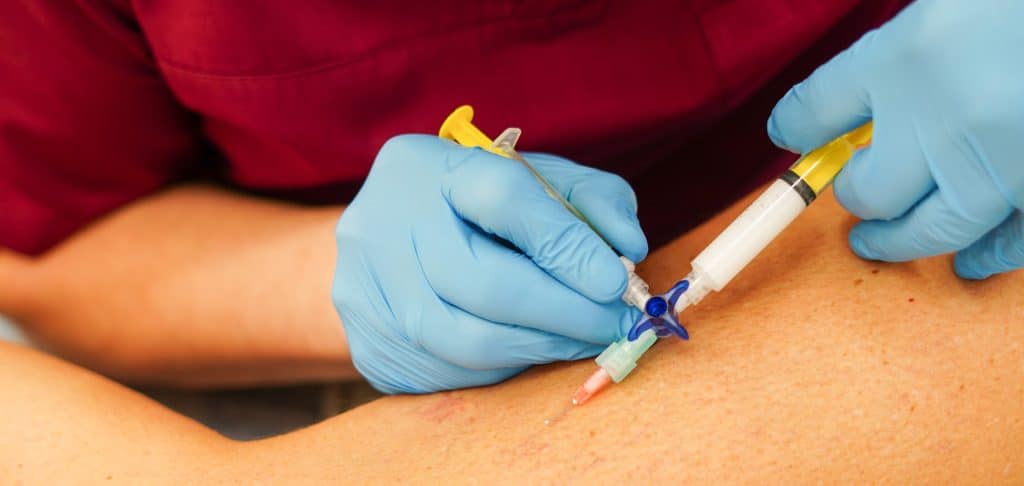
Rarely, at least not right away. Quitting smoking, eating better, and staying active can genuinely change the trajectory of this disease when it is caught early. If more intervention becomes necessary, doctors usually try minimally invasive peripheral artery disease treatment options first. They consider procedures like percutaneous transluminal angiography or stenting, long before surgery enters the conversation. Every plan looks different because every patient’s arteries tell a different story.
Worth Getting Checked
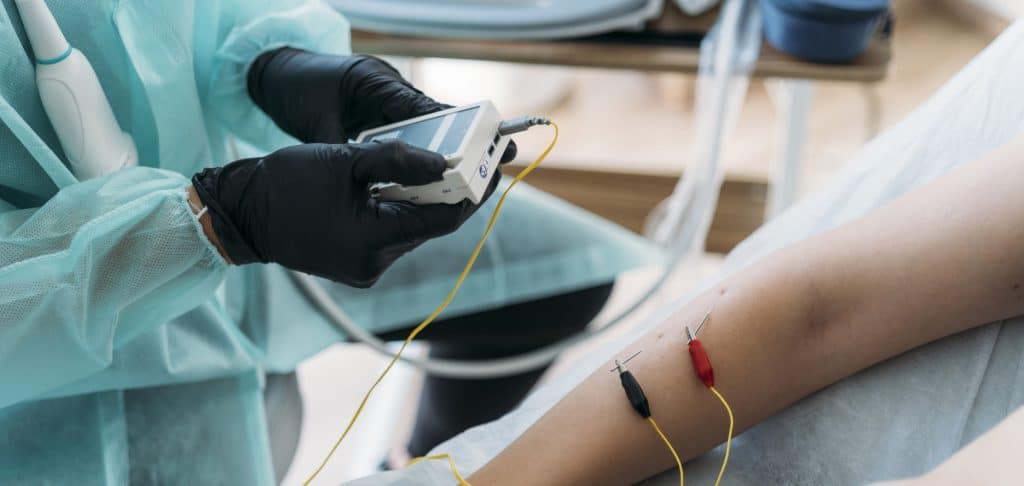
The ankle brachial index test takes just a few minutes and involves no needles or discomfort. It simply compares blood pressure in your arm to blood pressure in your ankle. If you have leg pain when walking, a wound that will not close, or feet that stay cold for no reason, that is worth mentioning at your next appointment with a cardiologist rather than waiting for things to get worse.
Finding Care Nearby
If you are searching for a cardiologist near Peoria, look for a team that considers PAD treatment as part of your overall heart health, not as a separate issue. A heart care center in Peoria can run the right tests, walk you through what your results actually mean, and help you build a plan around them. Whether you need a first appointment with a cardiologist or want a second opinion, a heart care center in Peoria staffed with vascular specialists makes that process a lot less confusing. Learn more here.