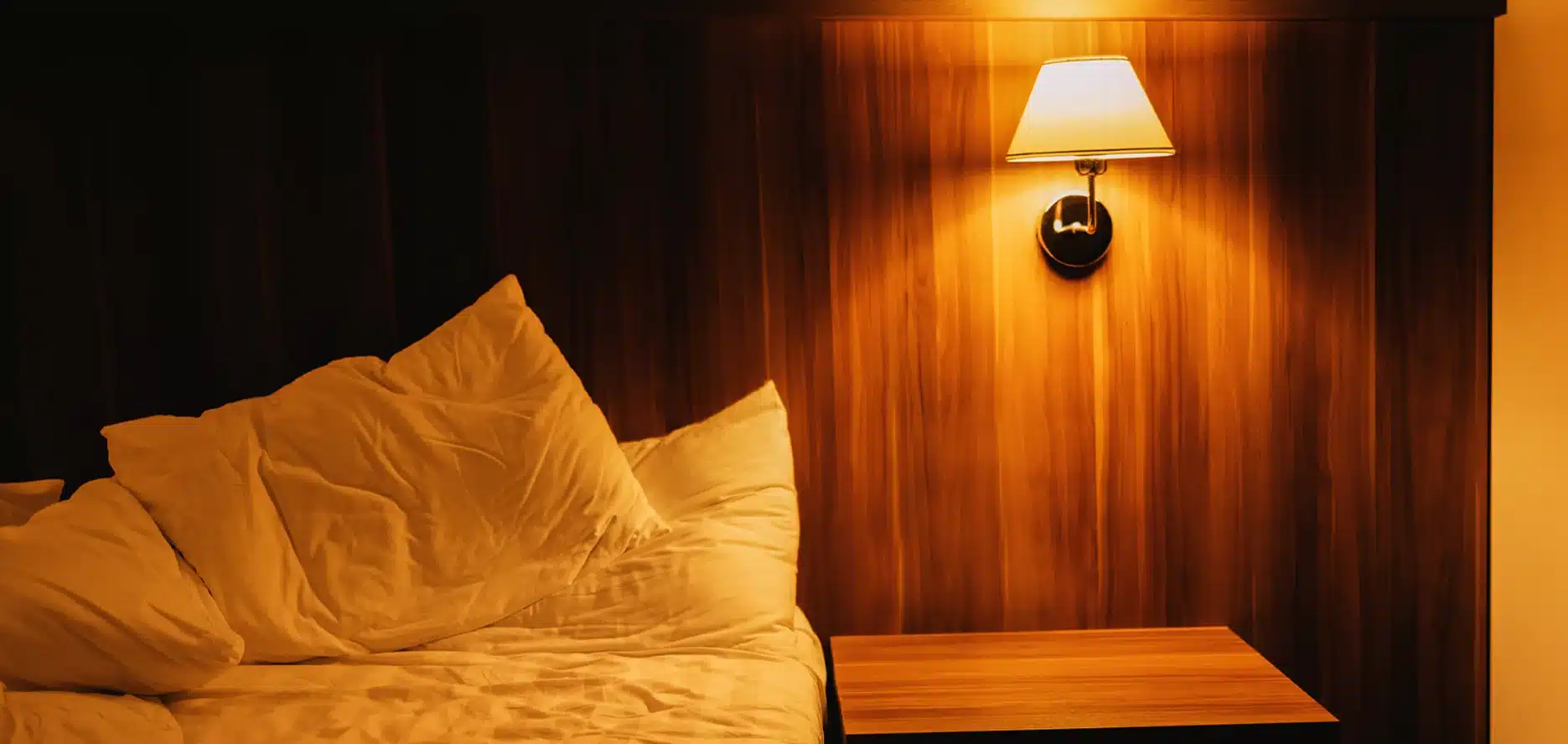
Think about your bedroom right now. Is there a glowing charger, a streetlight leaking past the curtains, or a phone lit up on the nightstand? Most of us barely notice these things. Your heart might. A new 2026 study of more than 11,000 adults, published in the European Heart Journal, suggests that light during sleeping hours is linked to real changes in the heart’s shape and performance.
How the researchers measured light at night
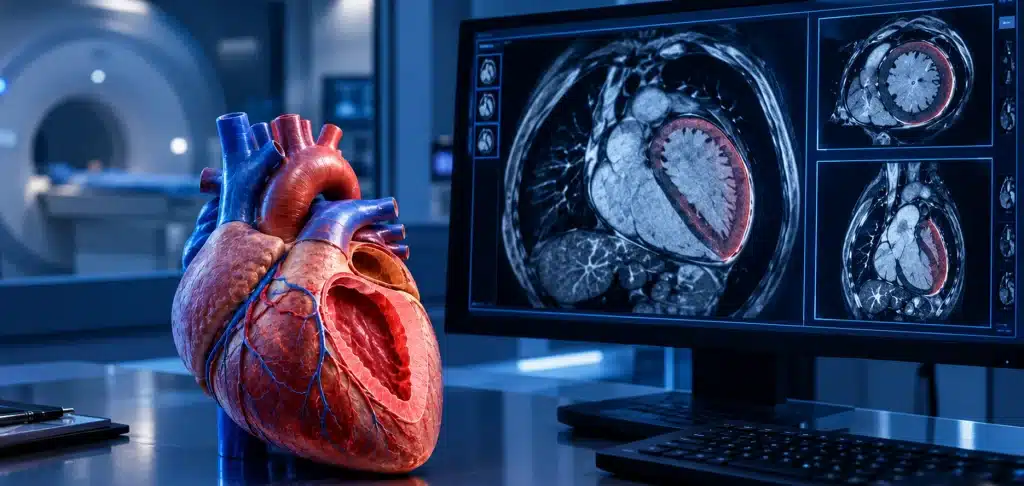
Professor Lu Qi of Tulane University in New Orleans led the research. He pointed out that earlier studies had linked nighttime light exposure to cardiovascular disease, but few had examined what happens inside the heart itself. The team used data from 11,071 people in the UK Biobank. Each person wore a light sensor on the wrist for seven days. Three years later, the participants had cardiac MRI scans. Researchers then compared people exposed to more than 3 lux at night with those who spent the night in near darkness.
What the heart scans showed
People in the higher-light group had thicker walls in the left ventricle, one of the heart’s main chambers. As the wall thickened, the space inside the chamber shrank. The scans also showed that the heart muscle flexed less during each beat, which can be an early sign that the heart is working less efficiently. Changes appeared in the right ventricle and the left atrium too.
Why a thicker heart wall matters
Doctors call this pattern cardiac remodeling. It usually shows up when the heart is under long-term stress or recovering from injury. At first, the change is the body’s way of coping. Over time, it can weaken the heart and lead to heart failure. Professor Qi noted that this is the first study to look at nighttime light and these specific changes. He also said light pollution is emerging as a risk factor for heart disease and that cutting nighttime exposure deserves a place in prevention planning.
Keep in mind that this was an observational study. It shows a link, not proof that light caused the changes.
Simple ways to darken your bedroom
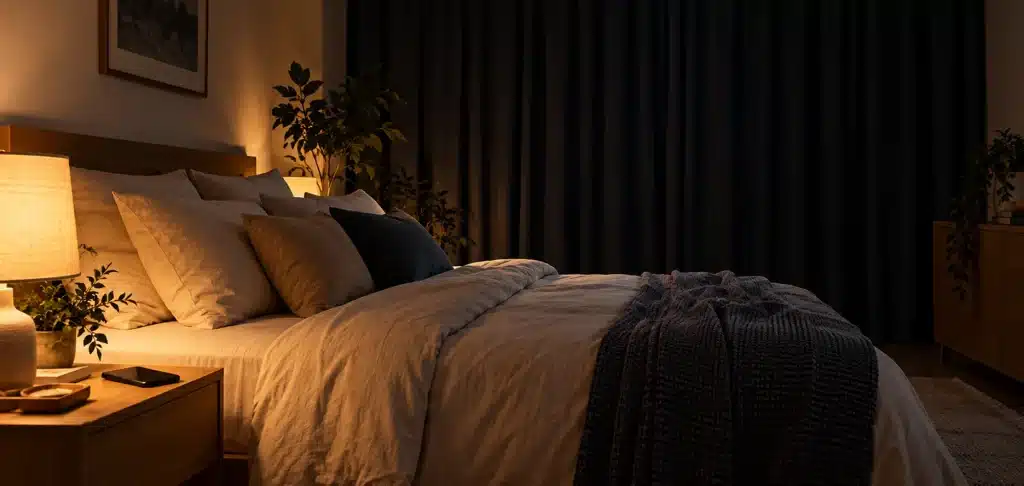
Professor Thomas Münzel of University Medical Center Mainz wrote an editorial alongside the study. He and his colleagues suggested that clinicians ask patients about their sleep setting, including how dark the bedroom is, whether they work night shifts, and how much screen time they get after sunset. Their advice is practical. Hang blackout curtains. Use warm colored bedside lamps. Cover the small standby lights on electronics. None of this costs much, and you can do it all tonight.
The editorial also pointed to cities, which can control light pollution with shielded fixtures, warm-toned bulbs, and streetlights that dim or respond to motion.
Looking for a cardiologist near me? Know these signs

Light exposure is one piece of heart health, and a dark bedroom will not replace medical care. If you notice shortness of breath, swelling in your ankles, a racing or fluttering heartbeat, or unusual fatigue, book a visit. People with high blood pressure, heart failure, or atrial fibrillation have extra reason to talk about sleep habits at their appointments. If you work nights, mention that too. Searching for a cardiologist near me is a fine start, but ask whether the practice treats your specific condition.
Finding a cardiologist in Peoria AZ or Surprise AZ
Residents of the West Valley have local options. Cardiologists in Peoria, AZ, can evaluate symptoms such as chest discomfort, high blood pressure, and irregular heart rhythms, and order imaging or heart rhythm monitoring, if needed. Cardiologists in Surprise, AZ, are here to provide comprehensive cardiovascular care under one roof. If you are already managing a heart condition, bring a short list of questions about your sleep environment. Tell your doctor how dark your room is, how late you use screens, and whether you work overnight. Those details give your doctor more to work with.
Advanced Cardiovascular Center offers general cardiology care for adults with heart concerns. Cardiologists in Surprise, AZ, can review your symptoms, history, and risk factors and explain which tests make sense. Bring your medication list and a note about how you sleep. Small details often matter during these visits.
You can learn more by visiting our website and scheduling a visit if something about your heart has been bothering you.