You settle into bed, the room goes quiet, and suddenly your heartbeat is the loudest thing around. A flutter. A thump. Maybe a beat that seems to vanish. Is this beat normal? Or is your heart trying to give a hint about something?
Most of the time the answer is reassuring. Almost everyone has extra or skipped beats now and then, and many people never notice them. Still, a pounding chest at midnight is hard to ignore, and knowing what sits behind it makes it far less scary.
What heart palpitations actually feel like

Palpitations are the sensation that your heart is beating outside its usual rhythm. People describe pounding, racing, skipping, flip-flopping, or fluttering. Episodes usually last a few seconds or minutes and then fade on their own.
Heart palpitations you can often fix at home
Stress and anxiety release adrenaline, which speeds the heart up. Caffeine, nicotine, and alcohol do something similar. More than about 400 milligrams of caffeine in a day, roughly four cups of coffee, is enough to set off extra beats in many people. Dehydration, low potassium, low blood sugar from skipped meals, and anemia can also play a part. Decongestants and asthma inhalers can do it too. Hormone shifts during pregnancy or menopause can do it, and so can an overactive thyroid.
Why it feels worse at night
When you lie down, the distractions disappear, and you notice every beat. Position matters as well. Lying on your back or side can press the stomach and chest cavity together, which can put pressure on the heart and alter blood flow. Sometimes the fix is as simple as rolling over. Notice which side you sleep on. A heavy dinner, a late glass of wine, or an evening energy drink can also nudge your heart out of rhythm after dark.
Steps that often calm things down
Start with what you drink. Cut back on caffeine, especially after noon, and limit alcohol. If you smoke, quitting helps your heart more than almost any other single change. Drink enough water through the day and eat regular meals so your blood sugar stays steady. Try slow breathing or a few minutes of meditation before bed. Eat smaller portions in the evening. Talk to your doctor before stopping any prescription, even if you suspect it is part of the problem.
Causes of heart palpitations
A heart rhythm problem called arrhythmia can cause palpitations. Atrial fibrillation is the most common type, and left untreated, it can lead to blood clots, stroke and heart failure. A fast rhythm lasting more than 30 seconds is an emergency. Valve problems such as mitral valve prolapse, thickened heart muscle, coronary artery disease, and a past heart attack can also be behind the symptoms. Doctors look for these causes of heart palpitations first.
Contact your doctor if palpitations are accompanied by chest pain, pressure, fainting, severe dizziness, or trouble breathing. Those can signal a heart attack.
Signs it is time to see a cardiologist for heart palpitations
Book a visit if your palpitations last more than a few minutes, keep getting more frequent, show up with no clear trigger, or happen alongside high blood pressure, diabetes, thyroid disease, or a known heart condition. A cardiologist specializing in the treatment of heart palpitations can tell you whether you are dealing with a harmless habit or a true rhythm problem.
What testing looks like
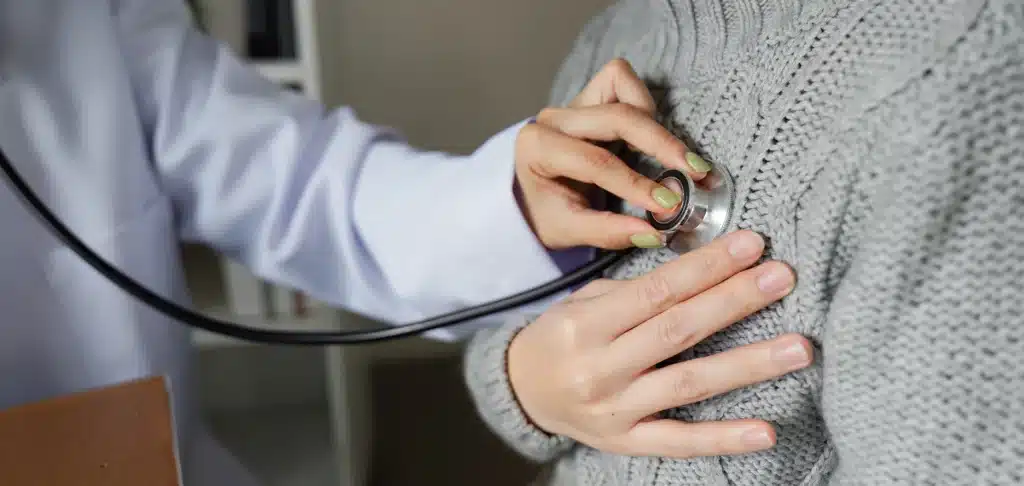
The first test is usually an electrocardiogram, which records your heart’s electrical signals while you lie still. A stress test records your heart’s electrical signals while you exercise. A Holter monitor is a portable recorder you wear for one to two days while you go about your routine, jotting down symptoms as they happen. An event monitor has a button you press when you feel something, and you may wear it for weeks if your episodes are rare. Your doctor might also order an echocardiogram, an ultrasound that shows how your heart is built and how it moves, or a chest X-ray.
Treatment depends on what turns up. If no cause is found, trigger changes come first. If those fall short, medicines such as beta blockers or calcium channel blockers may help. A specific cause gets treated directly.
Finding a cardiologist in Peoria, AZ
If you live near Phoenix, a cardiologist in Peoria, AZ can review your symptoms, choose the right monitor, and explain the results in plain language. Visit Advanced Cardiovascular Center right away for timely cardiology care.