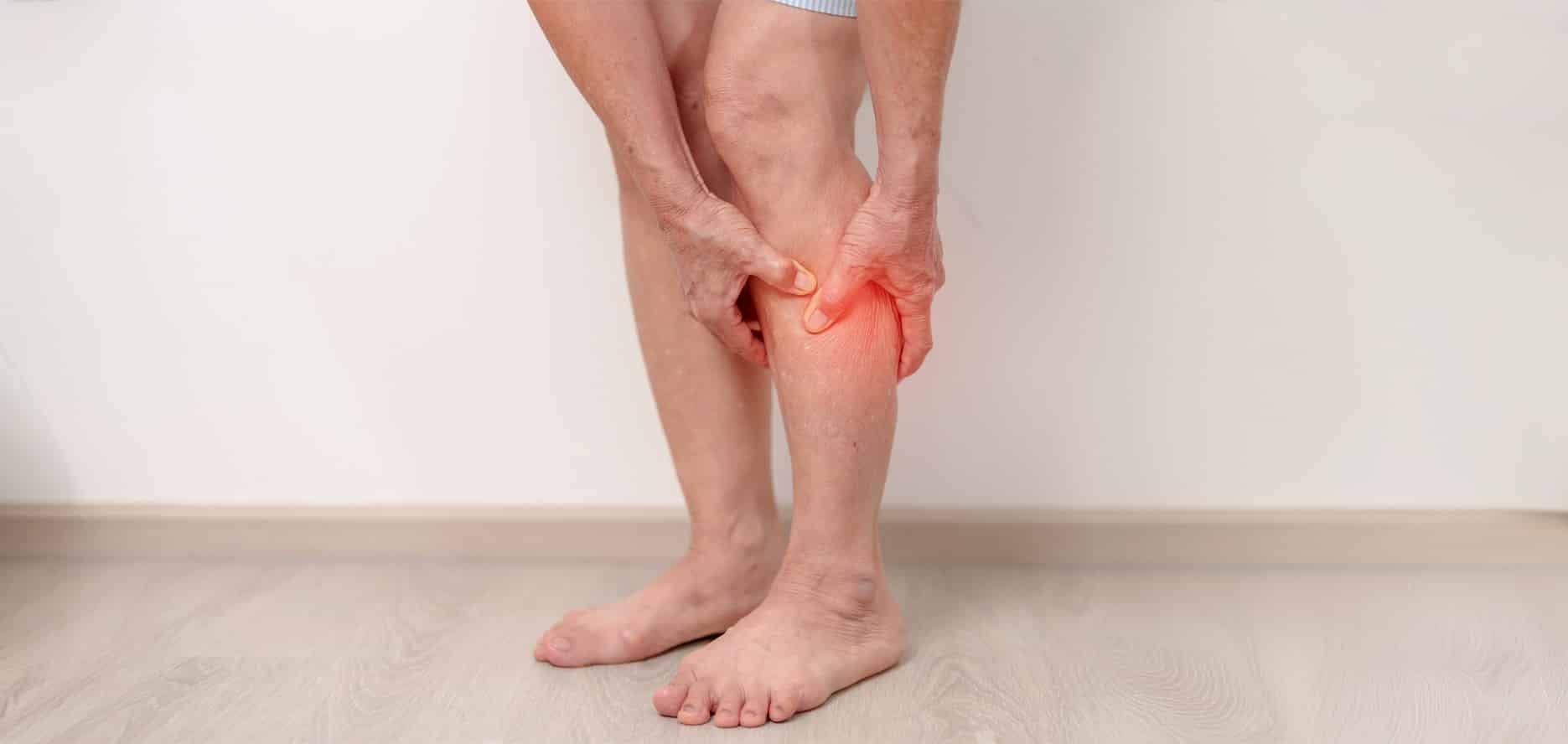
Ever pulled off your socks at night and found deep grooves around your ankles? Most of us blame a long day on our feet and move on. Sometimes that is right. Other times, the veins in your legs are struggling, and swelling is the first sign. Doctors use a shared scale to describe what they find, and learning how it works can tell you a lot about where you stand.
What Happens Inside Leg Veins
Arteries carry oxygen-rich blood from the heart to the body. Veins carry it back. In the legs, the return trip runs against gravity, so the body relies on the calf pump. Each step tightens the muscles in your feet and calves, squeezes the veins, and pushes blood upward.
Within those veins are tiny flaps, called valves. They open to allow the blood to climb up and close to prevent it from sliding back down. When valves are damaged, they no longer seal. Blood leaks backward and collects in the lower leg, especially near the ankles. That pooling leads to swelling, aching, cramping, and sometimes open sores. The condition is called chronic venous insufficiency.
Why the CEAP Classification Was Created

Before 1994, there was no agreed way to describe vein disease. One clinic’s “moderate” was another clinic’s “severe.” Records did not match, studies could not be compared, and plenty of patients were treated too late or in the wrong way. The American Venous Forum stepped in that year and published the CEAP classification to fix the problem. Its design copied the TNM system used for cancer staging, which describes a tumor using several distinct factors rather than a single vague label.
The tool does not diagnose anything on its own. It works next to your medical history, daily habits, test results, and symptoms. Each stage is also meant to point toward suitable care. An active ulcer, for example, calls for compression therapy and keeping the leg elevated.
The Eight Chronic Venous Insufficiency Stages
The clinical part of CEAP runs from C0 to C6. Because C4 is split into two, the total number of chronic venous insufficiency stages comes to eight.
C0 means nothing shows on the skin, although the leg may still feel heavy or achy. C1 brings telangiectasias, better known as spider veins, along with reticular veins, which are slightly larger and sit just under the surface. C2 is varicose veins, the twisted, bulging ones you can see and feel. C3 is edema, which means swelling.
At C4a, the skin starts to change. Eczema and brown discoloration usually appear around the ankles. C4b goes deeper. Lipodermatosclerosis hardens the skin and the fat beneath it, while atrophic blanche leaves white, scar-like patches. C5 describes an ulcer that has healed. C6 describes one that remains open and is slow to close.
What Your CEAP Score Can and Cannot Tell You

A CEAP score is a snapshot. It names the stage you are in on the day of your exam, nothing more. It does not rate how much pain you feel, and it does not promise that you will move from one stage to the next. Some people sit at C2 for decades. Others progress quickly.
That gap is why many clinicians pair it with the Venous Clinical Severity Score. This second tool rates symptoms such as pain, swelling, and skin changes on a scale of 0 to 3, so a doctor can compare your numbers from one visit to the next. CEAP gives the label. The severity score tracks whether things are improving or slipping.
How the System Has Changed
The scale has been revised several times, most recently in 2020, and each version keeps the original eight-stage structure while adding detail. The 2020 update added a code for recurrent ulcers, for instance. Language around vein disease is more consistent now, and testing catches problems earlier. Even so, many people with early symptoms are still told to ignore them, and some of those cases end in chronic leg ulcers.
When to Get Your Legs Checked

Pay attention to swelling that returns every day, aching veins, darkening skin near the ankle, or any sore that refuses to heal. The early stages of chronic venous insufficiency are far easier to manage than the late ones. When you see a specialist, ask which stage you are in and what the next step should be.
The Advanced Cardiovascular Center evaluates leg vein problems and can explain which stage your symptoms correspond to. You can read more about our chronic venous insufficiency treatment here: https://www.advancedcvcenter.com/chronic-venous-insufficiency/