Ever left a vein appointment unsure whether your legs are actually improving? Feelings are hard to compare across visits. Swelling that seemed awful in March may feel mild by June, and memory rarely keeps accurate records. A scoring tool solves that by turning what the doctor sees and what you report into numbers that can be checked again later. The venous clinical severity score is exactly that kind of tool, and it is worth understanding if you live with vein trouble.
Where VCSS Came From
The tool was first published in 2000 and revised in 2010, and the changes were accepted in 2011. It grew out of CEAP (Clinical, Etiology, Anatomy, Pathophysiology), a classification system that sorts venous disease by clinical stage, cause, location, and underlying mechanism. CEAP gives a useful snapshot. A snapshot, though, cannot show whether a patient is getting better or worse. VCSS was built to fill that gap.
The Ten Features Doctors Rate

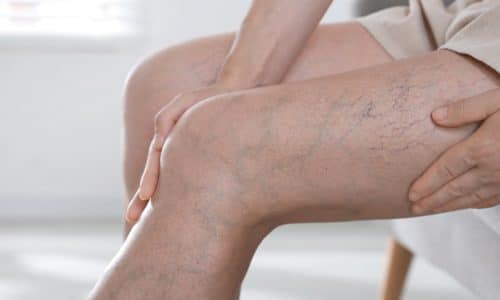
A clinician scores ten features of the legs. Pain comes first, including how strong it is and how often it appears. Varicose veins are next, judged by how many there are and how far they spread. Then comes swelling, or edema, which is rated by how much of the leg it affects and how persistent it is. Skin pigmentation occurs as dark brown discoloration, mostly around the ankles. When a patch of skin on your leg turns red, feels warm, or becomes irritated, that counts as inflammation. Induration means skin that has become firm or leathery, a change the doctor confirms by touch.
The remaining items address open sores and their treatment. The doctor counts active ulcers, notes how long the oldest has stayed open, and measures the largest one. The final item asks about compression stockings. A zero means you do not wear them, while a three means you wear them most days.
How to Read Your Results
Every feature receives a rating from 0 to 3. Zero means nothing abnormal, and three means the most severe form. Add all 10 ratings together, and the total will fall between 0 and 30. A low VCSS score generally points to mild disease, such as a few visible veins and some aching at day’s end. A high VCSS score suggests advanced problems, perhaps with ulcers and hardened skin.
The exact number matters less than its direction. A drop from 12 to 7 after a procedure tells you and your doctor that treatment is working. A rise tells them to look closer, and sooner.
Why Specialists Rely on It
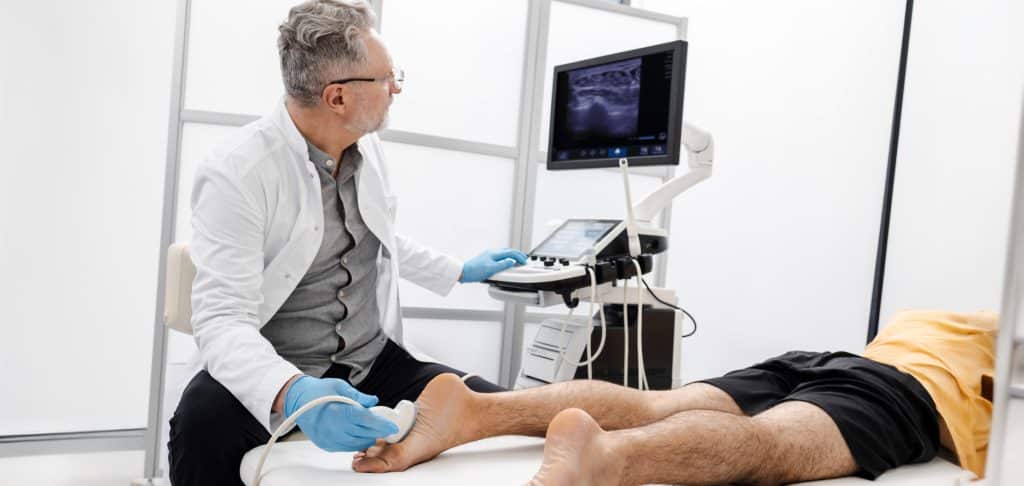
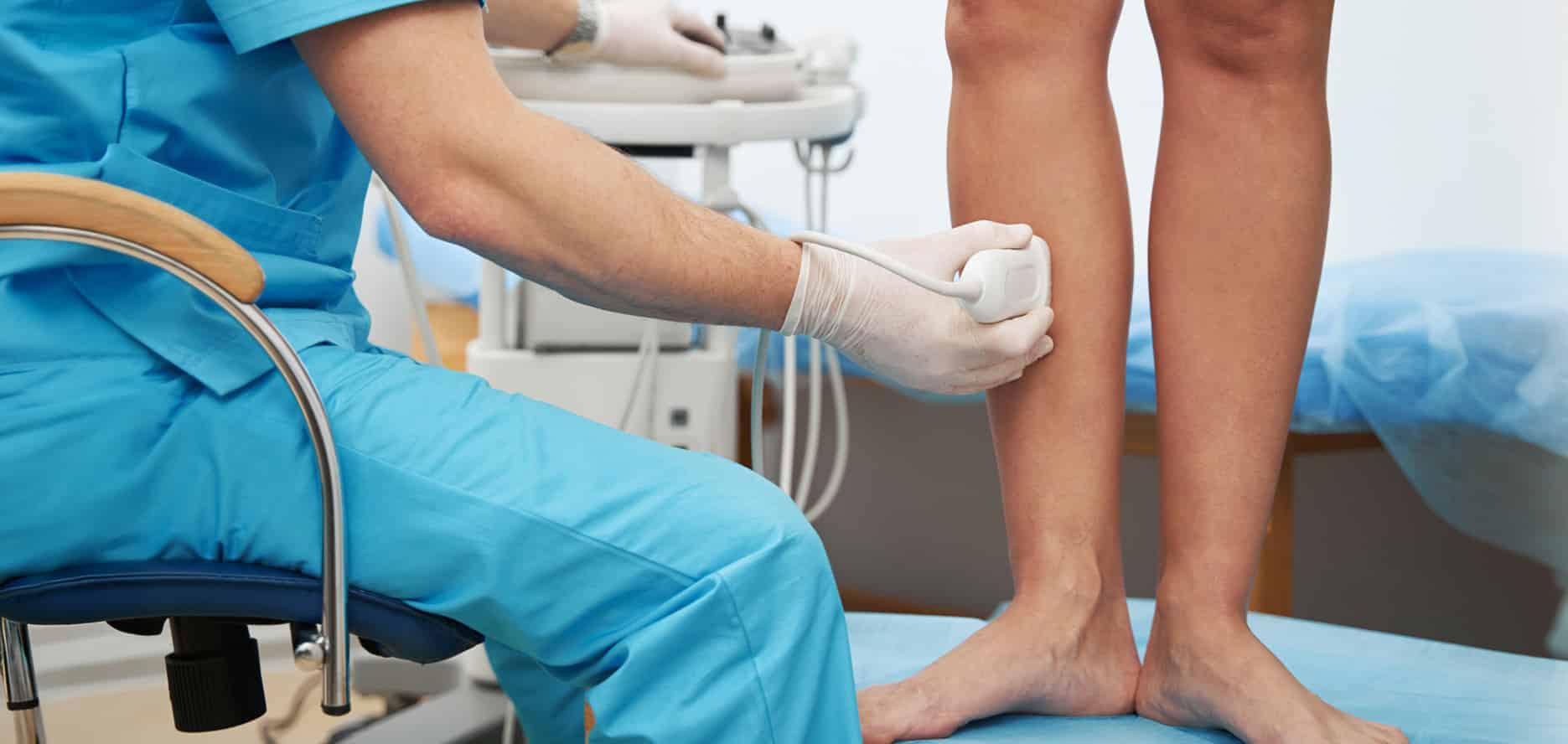
Doctors use the scoring in four main ways. At a first visit, it establishes how severe the disease is. During treatment planning, it helps decide between options such as compression therapy, medication, or minimally invasive procedures. At later visits, it shows a change over time. After a procedure, it helps judge whether the result matched the goal.
Researchers depend on it too. A shared scale lets studies of different groups of patients be compared fairly, giving doctors and patients better evidence to inform decisions.
Questions Patients Often Ask

How often is the score repeated? Most patients are rescored every three to six months, and sooner if symptoms change suddenly.
Can it predict whether an ulcer will heal? It offers clues about severity and response to treatment, but it is only one factor. Ulcers heal more reliably when you wear your compression stockings every day and keep conditions like diabetes under control. If either one slips, healing can stall.
Does a higher number mean life feels harder? Usually, yes. People with higher numbers indicate more pain and swelling. Factors like standing through a work shift or climbing a flight of stairs start to take more out of them. As treatment totals fall, people usually report feeling better.
Does body weight matter? Extra weight can worsen venous symptoms and raise scores. Balanced eating and regular movement are sensible parts of a treatment plan.
Preparing for Your Own Assessment
Your own account of symptoms feeds directly into several of these ratings. Before an appointment, note when your legs hurt, when swelling peaks, and how many days you actually wear your stockings. Take a photo of any skin changes or sores as they appear. Specifics like these help the doctor score you accurately instead of guessing. Ask for your total and the individual ratings at each visit so you can follow the trend yourself.
If you would like your legs assessed, the Advanced Cardiovascular Center evaluates varicose veins and related venous conditions. You can find details at https://www.advancedcvcenter.com/varicose-veins/.