You are halfway through a walk when your calf starts to cramp. You stop, the ache fades, and you carry on. Most people blame age or a tired muscle and forget about it by dinner. But what if that cramp was a message from your arteries? Or what if it came from nerves that no longer send clean signals? The answer changes what you should do next.
Why PAD vs Neuropathy Is So Easy to Mix Up

Understanding PAD vs neuropathy is crucial. Both conditions show up in the legs and feet. Both become more common with age and diabetes. That overlap is why even doctors can mistake one for the other at first.
The cause is where they split. Peripheral artery disease, or PAD, happens when plaque builds up inside the arteries and limits blood flow to your legs. Neuropathy is damage to the peripheral nerves, the ones that carry sensation between your feet and your brain. In simple terms, one is a plumbing issue. The other is a wiring issue.
Leg Pain While Walking Often Points to Blocked Arteries
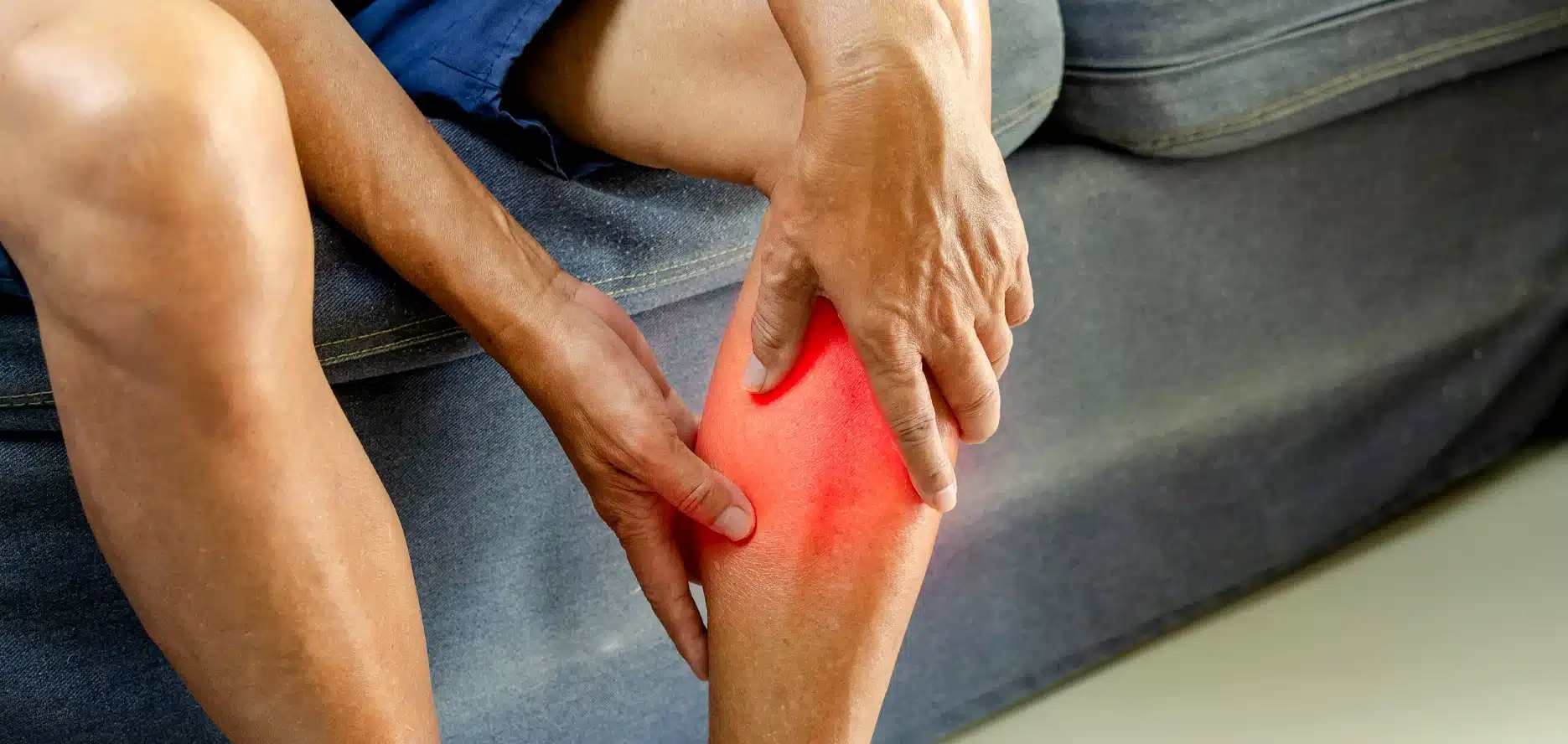
Muscles need more oxygen when you move. If narrowed arteries cannot deliver it, the muscle protests with cramping or aching in the calf, thigh, or buttock. Rest for a few minutes, and the pain eases. Doctors call this pattern intermittent claudication, and it is one of the clearest clues for PAD.
Notice the timing. The leg pain while walking usually arrives after a fairly predictable distance and leaves after a short rest.
How Nerve Pain Feels Different
Neuropathy does not care much about activity. Burning, tingling, stabbing, or electric sensations can strike while you sit on the couch. Many people say symptoms get worse at night and disturb sleep. Others notice numbness that spreads across the toes and feet like a sock.
The skin usually looks normal. What changes is how things feel to you. Because sensation fades, you may not notice a blister or a small cut, and a minor injury can turn into an infection.
Peripheral Artery Disease Symptoms You Can Check at Home
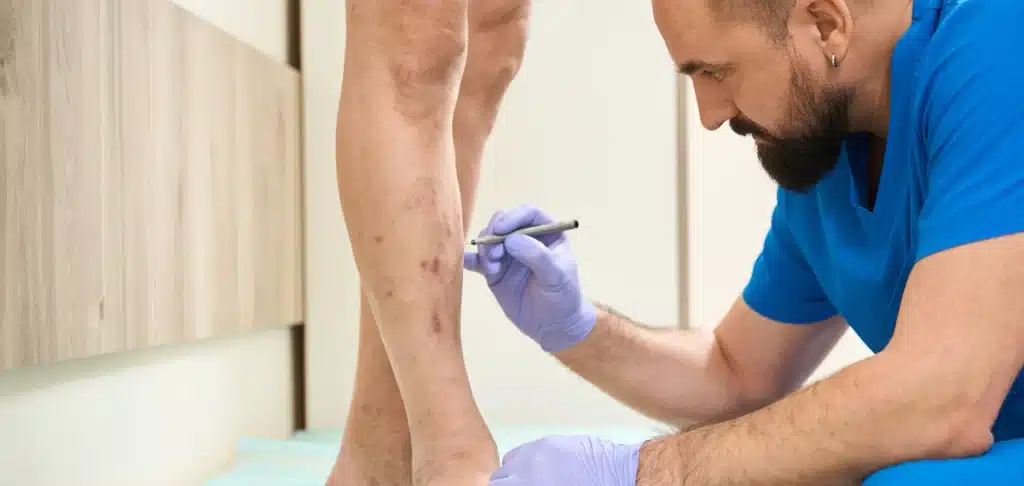
Your legs can give you clues if you look closely. Common peripheral artery disease symptoms include cool or pale skin, a shiny look to the skin, slower toenail growth, thinning hair on the legs, and weak pulses in the feet.
A sore on the foot or toe that refuses to heal deserves special attention. Poor circulation means the tissue cannot get the oxygen it needs to repair itself.
Can PAD Cause Neuropathy?
It can contribute. When reduced blood flow starves nerves of oxygen, they may become damaged. Diabetes raises the risk even more, since high blood sugar harms both arteries and nerves.
So some people live with both conditions at once. In that case, the cramping of PAD blends with the burning of neuropathy, and symptoms alone cannot sort them out.
How Doctors Tell Them Apart
A doctor starts with questions about when the pain begins and what eases it. Then comes a physical exam to check pulses, skin color, temperature, and sensation.
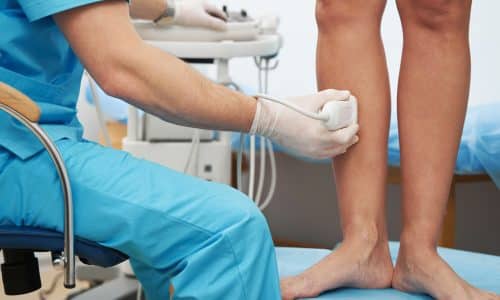
A simple test called the ankle-brachial index compares blood pressure at your ankle with the pressure in your arm. A lower number at the ankle suggests reduced blood flow to the leg. Ultrasound can show where an artery is narrowed. Nerve conduction studies measure how fast electrical signals travel through your nerves. A treatment aimed at nerves will not open a blocked artery, so the right answer matters.
What Treatment Looks Like
PAD care usually starts at home. Doctors ask patients to walk on a schedule, quit smoking, and bring cholesterol, blood pressure, and blood sugar under control. If an artery is severely blocked, a specialist can widen it with a tiny balloon, clear plaque, or place a small mesh tube to keep it open.
Nerve damage is handled differently. Doctors first look for the cause, such as high blood sugar or a vitamin deficiency, and then add pain medication or numbing creams for relief. Care can calm symptoms, but it cannot bring back nerves already lost. Acting early matters.
When Should You Get Checked
Look at your feet every day, even when they feel fine. Watch for sores, color changes, or cuts. See a doctor if you notice leg pain while walking that settles when you sit, numbness that lingers, or a wound that takes weeks to heal. Not sure about PAD vs neuropathy? A vascular specialist can find out which one you have, or both. Visit Advanced Cardiovascular Center for timely evaluation and treatment for PAD.