
Ever wonder why your hands feel jittery after a second cup of coffee, and whether it is doing something to your blood pressure worth worrying about? Coffee has been part of human life for more than six hundred years, and today the average person drinks close to two kilos of it annually. Yet the science on what it actually does to your heart is more nuanced than most headlines suggest.
What Counts as High Blood Pressure
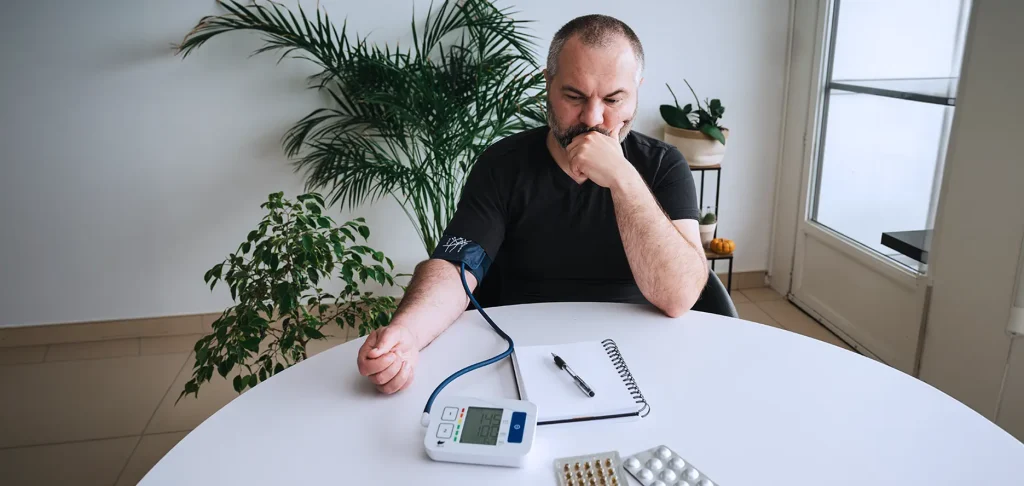
Blood pressure is simply the force your blood puts on artery walls every time your heart beats. It gets measured with two numbers. The top number is known as systolic pressure, which reflects the force generated when your heart contracts to push blood out with each heartbeat. The bottom number, diastolic pressure, reflects the force when your heart relaxes between beats.
A normal reading sits below 120 over 80. Once your numbers consistently reach 140 over 90 or higher, that is considered hypertension. The tricky part is that it rarely causes symptoms, so many people carry it without managing it. Approximately one-third of adults have hypertension, and roughly half of them are not aware of it. Among those on medication for it, close to half still do not have it well controlled.
How Caffeine Actually Affects Your Heart

Caffeine acts as a stimulant. It can increase heart rate in some people and, in certain cases, contribute to an irregular heartbeat. It also triggers your adrenal glands to release adrenaline, which speeds up your heart and narrows your blood vessels, both of which temporarily raise your blood pressure.
Once you drink coffee, caffeine peaks in your bloodstream between 30 minutes and 2 hours, then is cleared over the next several hours. Regular coffee drinkers tend to process it more quickly because their bodies adjust over time. As for the actual numbers, one cup can raise systolic pressure by 3 to 15 points and diastolic pressure by 4 to 13 points. That range is wide because the effect really does differ from person to person.
What Else Coffee Brings to the Table
Coffee is more than just caffeine. It contains a long list of natural compounds that give it flavor, and some of them actually help reduce high blood pressure rather than cause it. Take melanoidins, for instance, which help manage fluid balance. Quinic acid has been shown to improve the lining of blood vessels, which helps them handle pressure changes more smoothly.
Does Coffee Cause Long-Term Hypertension
This is where the research gets reassuring for most coffee drinkers. A review of thirteen studies covering more than 315,000 participants found no meaningful link between regular coffee consumption and the long-term risk of developing hypertension, regardless of gender, amount consumed, or whether the coffee was caffeinated or decaf.
A separate Japanese study followed more than 18,000 adults for nearly nineteen years and found something worth noting. Among people who already had very high blood pressure, drinking two or more cups daily was linked to double the risk of dying from cardiovascular disease compared to non-drinkers, including heart attack and stroke. That risk did not show up among people with normal blood pressure or mild hypertension, suggesting moderation matters most at the higher end.
What This Means for Your Daily Cup

None of this means coffee needs to disappear from your routine. It means paying attention to your numbers and habits. Know your blood pressure and how much caffeine you actually consume across coffee, soda, and chocolate. Avoid caffeine right before a blood pressure reading, since it can skew the result. Keeping intake to around four cups a day works fine for most people, though anyone with severe hypertension should cut back to one cup and discuss it with their doctor.
If your numbers have been running high, or you are simply unsure where you stand, searching for a cardiologist near Peoria is a reasonable first step. A heart care clinic in Peoria can run the right tests and give you a clear answer instead of a guess. Booking an appointment with cardiologist staff who understand your full health picture tends to lead to better outcomes.
Talk to a Cardiologist Near Peoria Today
If you have concerns about your blood pressure, do not wait for symptoms that may never come. An appointment with cardiologist specialists at a trusted heart care clinic in Peoria can help you separate real risk from everyday habits.
Advanced Cardiovascular Center offers evaluation and care in Peoria.