Summary – A study from the Karolinska Institute in Stockholm found that people who sleep less than five hours a night have a 74 percent higher risk of developing peripheral artery disease than those who sleep seven to eight hours. PAD affects over 200 million people worldwide and can increase the risk of heart attack and stroke. Dr. Shuai Yuan, the study’s leader, emphasized the importance of getting seven to eight hours of sleep to lower the risk of PAD, as poor sleep has also been linked to coronary artery disease.
Can a few missed hours of sleep really clog the arteries in your legs? A new study says yes, and the number is hard to ignore once you see it.
The Study That Got Everyone Talking
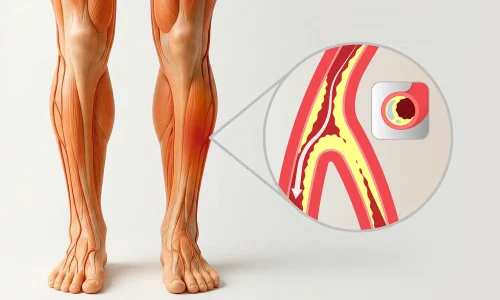
Researchers from the Karolinska Institute in Stockholm followed more than 650,000 people and found something striking. People who slept less than five hours a night had a 74 percent higher chance of developing peripheral artery disease compared to people who slept seven to eight hours. That is not a small gap. Peripheral artery disease, or PAD, affects over 200 million people worldwide. It happens when arteries in the legs get clogged, and blood flow slows down, raising the risk of heart attack and stroke.
Dr. Shuai Yuan, who led the study, put it simply. Getting seven to eight hours of sleep each night is a good habit for lowering PAD risk. He also pointed out that poor sleep has already been linked to coronary artery disease, which shares the same root cause as PAD, clogged arteries. Sleep problems are also one of the most common complaints among people who already have PAD.
Two Directions, One Vicious Cycle

What makes this research different from earlier studies is the way it was conducted. The team did not just look at survey data. They also used genetic information to test whether short sleep actually causes PAD, or whether it just tends to show up alongside it. This method is called Mendelian randomization, and it helps rule out reverse causality, meaning it separates cause from coincidence.
The results showed something worth paying attention to. Short sleep raises the risk of PAD. But PAD also raises the risk of short sleep. Pain, cramping, and poor circulation in the legs can make it hard to fall asleep or stay asleep, which then feeds back into worse artery health. It becomes a loop that is difficult to break without addressing both sides at once.
What About Long Sleep and Naps?
The study also examined people who slept 8 hours or more. Their risk of PAD was 24 percent higher compared to the seven-to-eight-hour group. Daytime nappers showed a similar pattern, with 32 percent higher risk compared to people who did not nap at all. However, the genetic analysis did not confirm a direct cause-and-effect relationship for long sleep or napping. Researchers say more work is needed here before drawing firm conclusions.
Why This Matters for Prevention and Care

For anyone managing PAD or trying to avoid it altogether, sleep should not be treated as an afterthought. It belongs in the same conversation as diet, exercise, and blood pressure control. Getting consistent, quality sleep may lower the risk of needing intensive PAD treatment down the road and support better outcomes for people already receiving PAD treatment.
Staying physically active during the day is a practical way to naturally improve sleep quality. For people already living with PAD, managing leg pain properly can make a real difference in how well they sleep at night, which in turn supports the goals of ongoing peripheral artery disease treatment. Doctors treating peripheral artery disease increasingly recommend that sleep habits be considered part of a comprehensive care plan rather than a separate issue.
A Habit Worth Building
None of this means one bad night of sleep will suddenly cause artery blockages. The risk builds over time, just as plaque builds in arteries over years, not days. But the message from this research is clear enough. Sleep is not just about feeling rested the next morning. It plays a real role in how your blood vessels function over the long run.
If you are dealing with leg pain, cramping, or numbness that will not go away, or if your sleep has been suffering for reasons you cannot explain, it may be worth having a conversation with a specialist. Catching circulation problems early tends to make peripheral artery disease treatment easier and more effective.
The team at Advanced Cardiovascular Center works with patients on exactly these concerns, from sleep-related risk factors to full artery health evaluations. As a trusted heart care center, they combine current research with hands-on care and look at the whole picture, not just the symptoms in front of them. If you already know you are dealing with PAD, reaching out to a heart care center like Advanced Cardiovascular Center is a solid next step.