
Think heart disease is something you will deal with later in life? The numbers say you may not have that kind of time. A new scientific statement published in Circulation, the peer-reviewed journal of the American Heart Association, projects that nearly 60% of women in the United States will be living with some form of cardiovascular disease by 2050. This is what the data says, and it deserves your full attention right now.
The Numbers Are Not Waiting for You to Catch Up
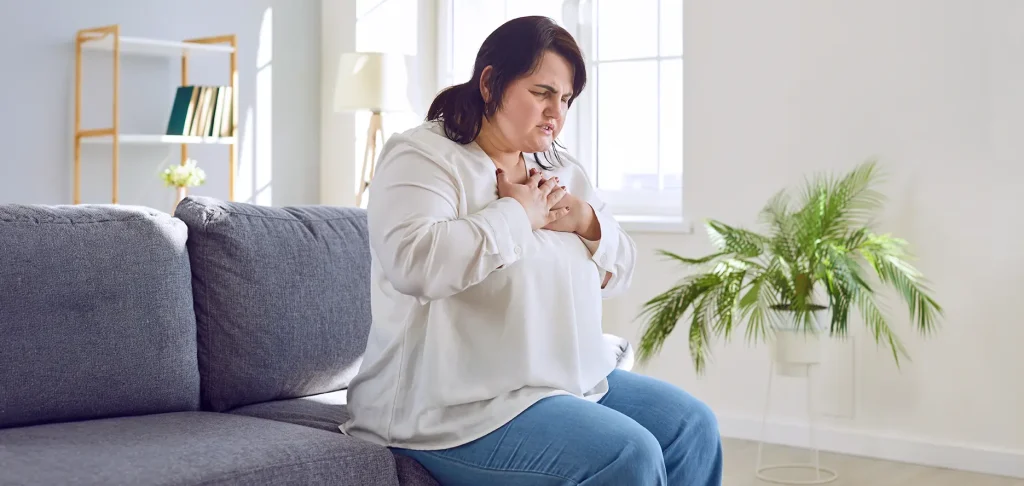
Researchers tracked long-term trends in heart disease, stroke, high blood pressure, diabetes, and obesity across the next 25 years. Nearly 60% of women are projected to have high blood pressure by 2050, compared to just under half today. Currently, 15% have diabetes, which will increase to >25%. The present 44% obesity rate will increase to over 60%. These are the factors that silently increase your chances of having heart attacks, heart failures, atrial fibrillations, and strokes – precisely what women believe they would “eventually” deal with.
If you are between 22 and 44, pay attention: nearly one in three women in your age group is projected to have some form of cardiovascular disease by 2025. Diabetes in young women is expected to more than double, from 6% to nearly 16%. High blood pressure in this group may rise by over 11%. This is happening now, not decades from now.
Why the Risk Is Higher Than You Think

Part of what makes this report urgent is how it corrects a common misconception – that heart disease mostly concerns older women or men. Your blood pressure at 30 determines your cardiac health at 50. The weight you carry at age 20 is not easily forgotten by your body. Pregnancy, perimenopause, and menstruation each carry specific cardiovascular implications that routine care is only beginning to factor in.
If you are a woman with fair skin, the scenario is quite serious. Black women are projected to see over 70% rates of high blood pressure by 2050. Among Hispanic women, blood pressure increases are expected to climb by more than 15%. Asian women face a projected 26% jump in obesity. These numbers are not for scrolling past.
Children Are Part of This Conversation Too
By 2050, nearly 32% of girls between the ages of 2 and 19 are expected to have obesity, with over 60% projected to have insufficient physical activity and more than half having poor diets. When cardiovascular risk begins to build before a girl reaches middle school, the case for early intervention becomes hard to ignore.
There Is a Way Forward

Meaningful reductions are within reach. A 10% reduction in major risk factors, combined with better control of blood sugar and cholesterol, could reduce cardiovascular events and deaths by 17% to 23%. The American Heart Association’s Life’s Essential 8 gives you a starting point: eat better, move more, quit tobacco, sleep well, and manage your weight, blood pressure, blood sugar, and cholesterol. These work best when you start before a problem appears.
Your Heart Needs the Best Cardiologist in Peoria in Your Corner
Here is a question worth sitting with: when did you last have your heart health genuinely evaluated – not just a routine check-up, but a real conversation about your personal risk? If you are in the Peoria area and the answer is “not recently,” now is the time.
A cardiologist near Peoria can review your actual numbers – blood pressure, blood sugar, cholesterol – and tell you where you stand today. Women often underestimate their own cardiovascular risk, and their symptoms can present differently from men’s. That is exactly why connecting with the best cardiologist in Peoria before something goes wrong matters.
Advanced Cardiovascular Center, the heart care center in Peoria, offers comprehensive care for women at every stage of life. No matter whether you are young, experiencing early risk factors, or observing changes around menopause, the team at Heart Care Center in Peoria can help you understand what your heart needs right now.
Do not wait for a symptom. Just take the first step by searching for a cardiologist near Peoria or a heart care center in Peoria. You can also visit the Advanced Cardiovascular Center in Peoria. Your heart has been doing its job every single day. Now it is your turn to do yours.