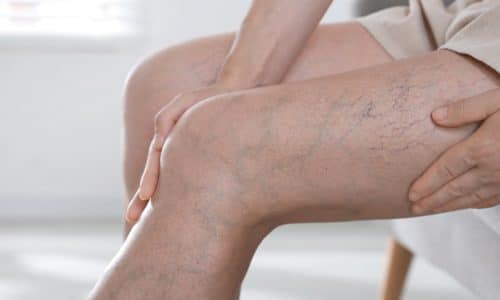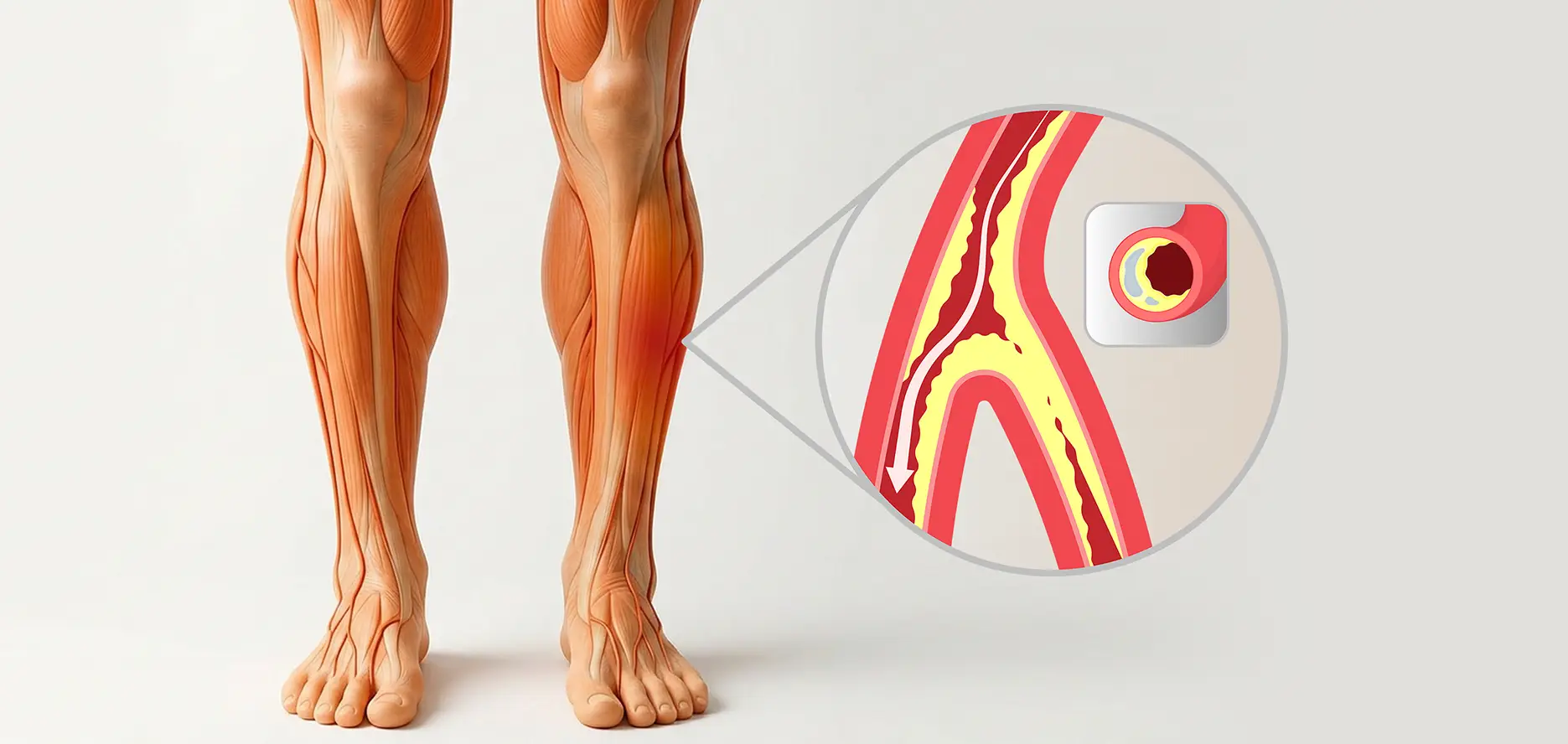
Most people ignore leg pain. They chalk it up to age, a long day on their feet, or sleeping in a bad position. But what if that ache in your calf during a walk is not fatigue at all? What if your arteries are quietly choking off blood supply to your legs, and have been doing so for months?
Peripheral arterial disease (PAD) is more common than most people realize, and it rarely announces itself with fanfare. It creeps in slowly. A cramp here, a cold foot there, maybe a wound on your toe that just will not close. By the time someone sits in a vascular specialist’s office, the disease has often been progressing for years.
The good news is that the majority of people with this condition never need surgery. Lifestyle changes, medications, and supervised walking programs can make a significant difference. But in some cases, waiting does more harm than good. Understanding where that line falls matters, not just for patients, but for anyone who loves someone dealing with circulation problems.
When Conservative Care Is Enough

Early-stage PAD treatment is usually managed without any procedure. Getting rid of smoking is the first step. After that, cholesterol control, blood pressure management, antiplatelet drugs, and a structured exercise program can stabilize the disease and even significantly improve symptoms.
Claudication (leg cramping that occurs during activity and eases with rest) often responds well to walking therapy, the first step of PAD treatment. It sounds counterintuitive, walking more when walking hurts, but the muscles adapt and collateral circulation develops over time. For patients who stay consistent, functional improvement is real.
What Pushes a Case Toward Intervention
As the next step of peripheral artery disease treatment, surgery or a minimally invasive procedure comes into the picture when symptoms are no longer manageable with lifestyle and medication alone. The clearest signal is something called critical limb ischemia. Here, severe blood flow restriction occurs not just during exertion but also at rest. The pain becomes constant. Because there is insufficient oxygen supply, your feet or lower legs may not heal, leading to the development of ulcers. Gangrene is the next step if nothing is done, and after that comes amputation.
But critical limb ischemia is not the only reason to intervene. Severe claudication that prevents someone from working, walking to the mailbox, or carrying out basic daily tasks can justify a procedure before things reach that extreme point. Quality of life is a legitimate medical consideration, not just a comfort preference.
There is also the anatomy to think about. Some blockages sit in locations where blood flow can be restored relatively easily. A short, focal blockage in a large artery responds well to intervention. Long, diffuse disease spread across smaller vessels is a challenge entirely different. What the imaging shows, typically a CT angiogram or Doppler ultrasound, guides the decision as much as the symptoms do.
The Two Main Routes: Endovascular and Surgical
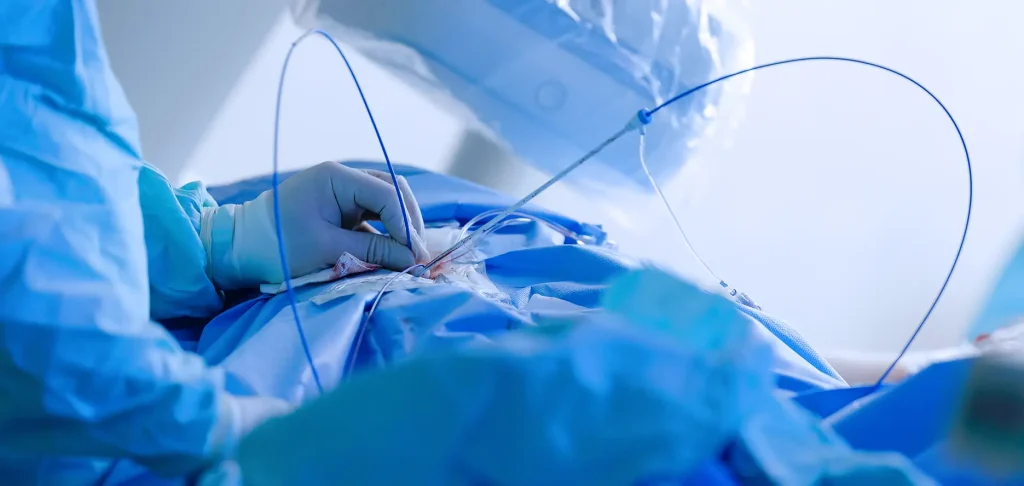
Endovascular therapy is generally the initial peripheral artery disease treatment option you can consider when intervention is required. This procedure involves catheterization and does not require any surgical incision.
The balloon is fed into the affected artery in order to open the blocked blood vessel by compressing the clot. In the next step, a stent (a small expandable mesh tube) is placed to keep the artery permanently open and ensure nonstop blood flow. This procedure is less invasive and takes much less time than the other procedure.
Open surgical bypass is used when there is difficulty treating through endovascular surgery. The open surgical procedure involves establishing a new blood vessel (bypass graft) to reroute blood flow. Although this procedure takes longer, the results obtained are long-lasting.
Deciding between the two depends entirely on the patient’s anatomy, general condition, and other health factors.
One More Thing Worth Saying

People tend to wait too long. They normalize symptoms that should not be normal. By the time they seek care, their options are narrower than they were six months earlier. Getting an early, complete assessment does not mean you should opt for surgery. You can gain greater clarity about multiple treatment options and make informed decisions based on your unique condition.If you or someone you care about is dealing with leg pain, slow-healing wounds, or circulation concerns, the team at Advanced Cardiovascular Center offers specialized peripheral artery disease treatment grounded in your specific situation. We are here to offer more treatment options, not just medication alone. PAD treatment works best before it becomes an emergency.