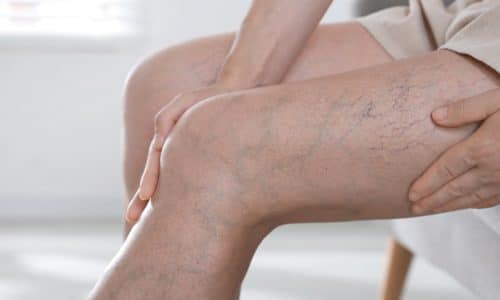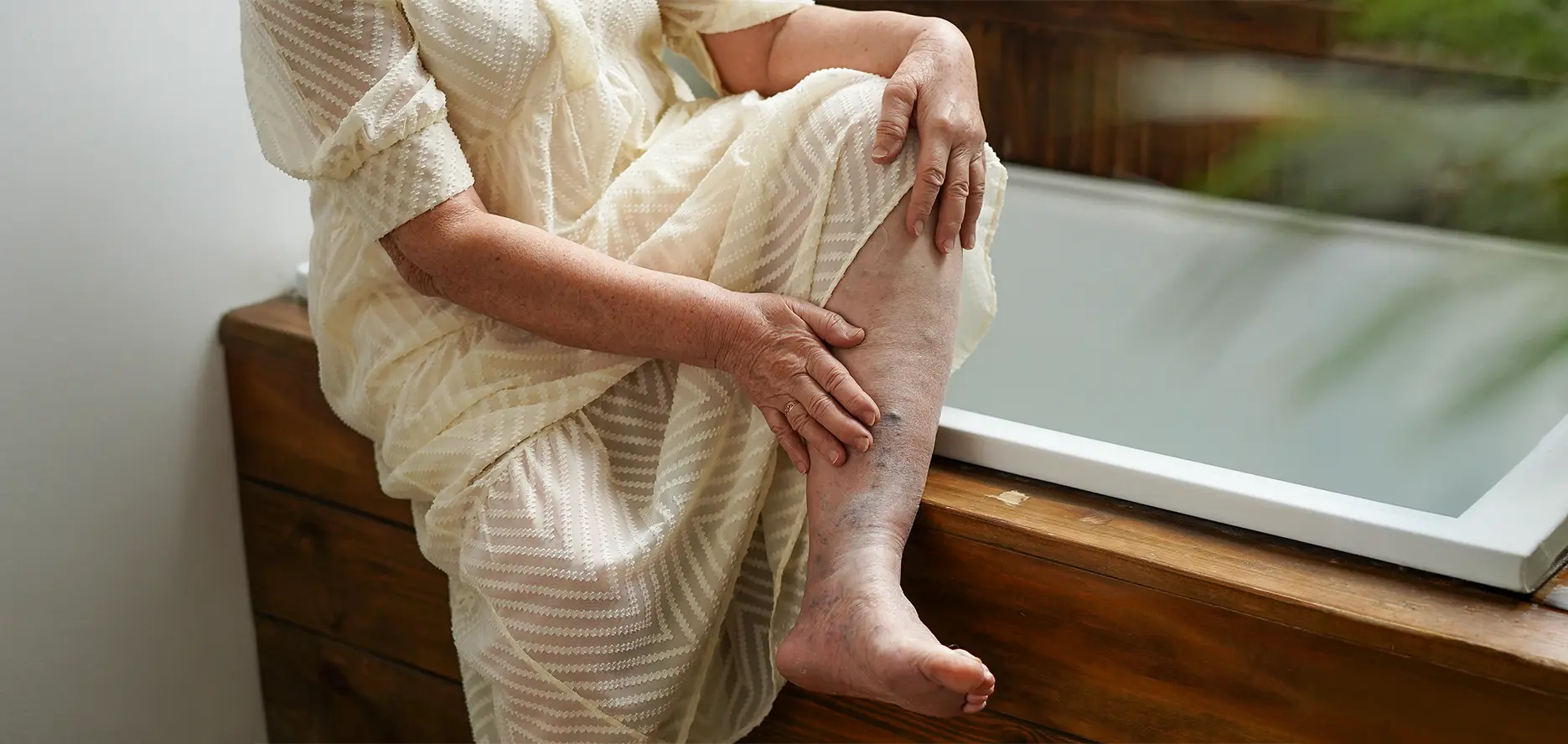
Here’s something that surprises most people: more than half of all leg ulcers trace back to varicose veins. Not diabetes, not some unrelated circulation problem. Varicose veins, sitting quietly under the skin, cause more damage than most people realize.
Most of us think of varicose veins as a cosmetic issue, bulging, bluish, a little embarrassing at the beach. That view misses the bigger picture. Left untreated, close to half of all cases turn into chronic venous insufficiency, meaning inflammation, tissue damage, and in serious cases, ulcers and infections that refuse to heal.
Treatment has come a long way from vein stripping surgery, and clinics offering modern cardiovascular services now use gentler methods that skip the hospital stay entirely.
How Radiofrequency Ablation (RFA) Treatment Works
Veins rely on tiny one-way valves to keep blood moving upward against gravity, back to the heart. When a valve fails, blood pools instead of flowing, pressure builds, and the vein wall stretches into the bulging, twisted shape most people recognize as varicose.
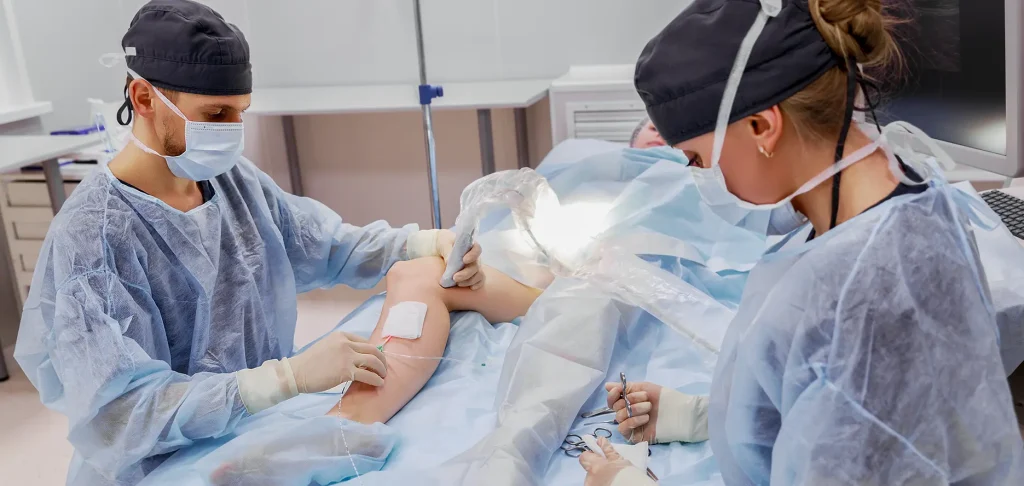
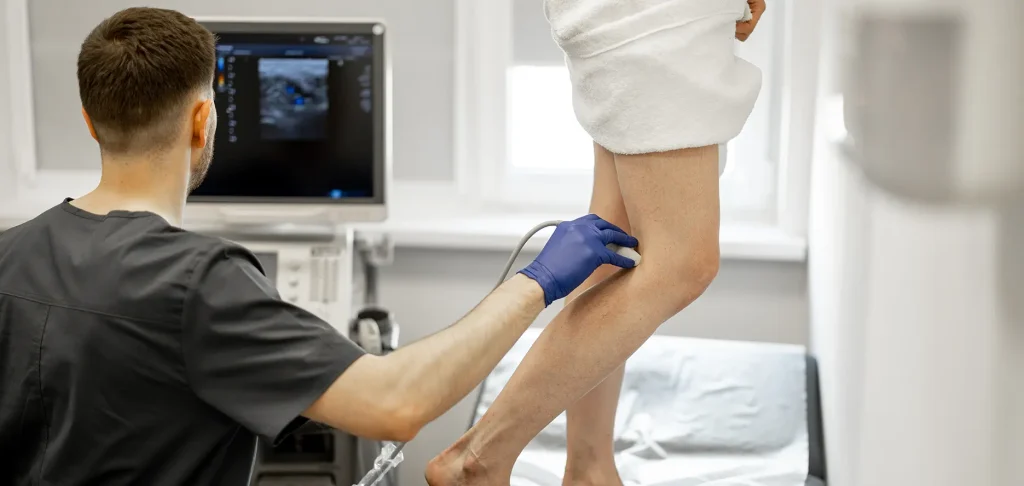
Radiofrequency ablation treatment targets that problem directly. A doctor makes a small incision near the knee, guides a thin catheter into the affected vein using ultrasound, and applies radiofrequency energy that heats the vein wall until it collapses. Blood reroutes through healthier veins nearby, and the body slowly absorbs what remains of the treated vein.
What Makes RFA for Varicose Vein Treatment Worth Considering
Many vascular specialists now turn to RFA for varicose vein treatment before considering more invasive options.
Sessions typically run under 40 minutes, and patients go home the same day, skipping risks tied to general anesthesia, things like stroke or post-surgical confusion, which matter especially for older patients.
The incision is roughly a quarter inch, yet it can treat a vein up to 30 inches long. Local anesthesia keeps things comfortable, so soreness afterward is minor and fades fast. Bruising is lighter than with older surgical methods, and most people resume normal activity within 24 hours, skipping only heavy lifting for about a week.
What Happens Right After the Procedure

Be prepared to spend about half an hour in the waiting room before heading home. A small cut above or below the knee gets covered with a plaster and bandage, and it can bleed slightly if you take blood thinners, so the clinic checks it first.
You will be asked to wear a compression stocking over the bandage. These sit tighter around the ankle and looser toward the knee, and that graduated pressure keeps the treated vein closed while pushing blood into the deeper venous system.
Recovery Over the Next Few Weeks
A tight feeling in the leg right after the procedure is entirely normal and is due to the anesthetic wearing off. Some bruising and tenderness along the treated vein is expected and eases with time, and over-the-counter painkillers handle most discomfort.
Keep the stocking and bandage on for 48 hours, then remove both and shower normally. The wound will look like a scab, sometimes with light bruising nearby, and getting it wet is fine. Pat it dry, put the stocking back on, and wear it for two more weeks, removing it only while resting with legs elevated or sleeping.
A few complications can occur, though they stay uncommon. Around one in ten patients develops phlebitis, sore red bumps along the treated vein, usually settled with anti-inflammatory medication and proper stocking use. Deep vein thrombosis is rarer, and staying active lowers the risk because walking helps pump blood back toward the heart. Mild nerve tingling can also occur and fades on its own, and the risk of infection stays low given how small the incision is. Watch for redness, warmth, or worsening pain.
Is This the Right Treatment for You
RFA works best for larger varicose veins that cause real symptoms such as aching, heaviness, swelling, or visible skin changes. If your veins have moved past a cosmetic concern, talk to a vascular specialist about this treatment.
Every case looks different, and RFA isn’t right for everyone. Some patients do better with other minimally invasive options, which is why a good clinic walks you through the alternatives.
At Advanced Cardiovascular Center, our team provides timely assessment and appropriate treatment for varicose veins, along with a full range of cardiovascular services. If discomfort or veins that don’t look right have been bothering you, getting a proper assessment is worth your time. Schedule a consultation to find out whether RFA is the right next step.