Your legs have been trying to tell you something for a while now. Maybe you’ve been ignoring the ache after a long day. Maybe you’ve convinced yourself that compression stockings will eventually fix things. But what if they won’t? What if what you’re living with every day is already past the point where conservative care can make a real difference?
That’s the question that you should dwell on during your next doctor visit.
Conservative treatment has its place. Compression stockings, elevation, weight management, and lifestyle adjustments genuinely help many people in the early stages of varicose vein disease. But there comes a point where those tools stop being treatment and start being a delay. Knowing which side of that line you are on matters more than most people realize.
Signs You May Need Radiofrequency Ablation (RFA) Treatment
1. Your pain doesn’t go away with rest anymore.
This is one of the clearest signals your body can send. If you used to get relief by putting your feet up and now that relief is gone, or barely noticeable, the vein damage has likely progressed. Untreated varicose veins tend to worsen. Over time, the pressure inside those damaged vessels builds, and the discomfort that was once manageable becomes something you carry around all day.
2. You’ve been wearing compression stockings for months, and not much has changed.

Compression therapy works well as a first line of defense for mild cases. But if you’ve been consistent with it for three to six months and your symptoms haven’t improved, something structural needs attention. Stockings manage pressure. They don’t repair damaged veins. When the underlying vein is the problem, the surface-level fix, like RFA for varicose vein treatment, only goes so far.
3. Your skin around the ankles has started to change.
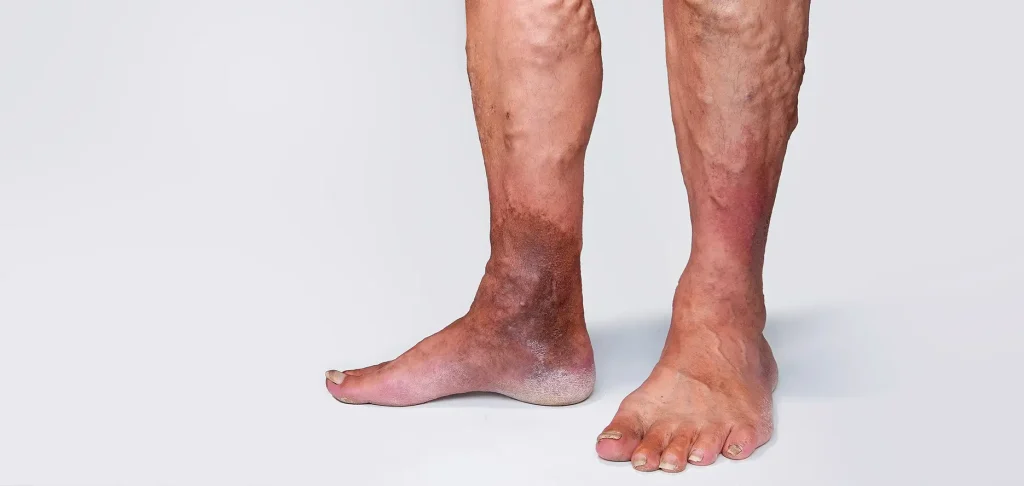
Discoloration, thickening, or a brownish tint near the ankles isn’t cosmetic. It’s a sign that blood has been pooling long enough to affect the surrounding tissue. This stage of venous insufficiency suggests that conservative care has already fallen behind the disease. Waiting longer increases the risk of skin breakdown and ulcers that are much harder to treat.
4. You’ve had a venous ulcer, or you’re starting to see open sores.
This is not a symptom that can be managed with stockings. A venous ulcer means venous pressure has been damaging tissue long enough to break the skin. At this stage, addressing the source of that pressure directly is what actually helps the wound heal and stay healed. Treating the faulty vein with radiofrequency ablation treatment closes ulcers faster and reduces the risk of recurrence compared to compression alone.
5. Your varicose veins have bled.
Sometimes the skin over a swollen vein gets thin enough that minor trauma can cause it to bleed. This is a sign that the vein wall has become fragile. Once this happens, conservative treatment is not appropriate as a stand-alone plan. The vein itself needs to be treated.
6. You’ve developed superficial thrombophlebitis more than once.
Redness, warmth, and tenderness along the path of a varicose vein often mean a clot has formed in that vessel. One episode might be managed conservatively. Recurring episodes point to a vein that keeps creating the right conditions for clotting. That’s a structural problem, not a lifestyle one.
Your symptoms are changing how you live.

This one is often dismissed, but it shouldn’t be. If varicose vein pain or heaviness is affecting how much you walk, how long you can stand, or whether you want to travel or socialize, that’s a quality-of-life impact that deserves more than compression and patience.
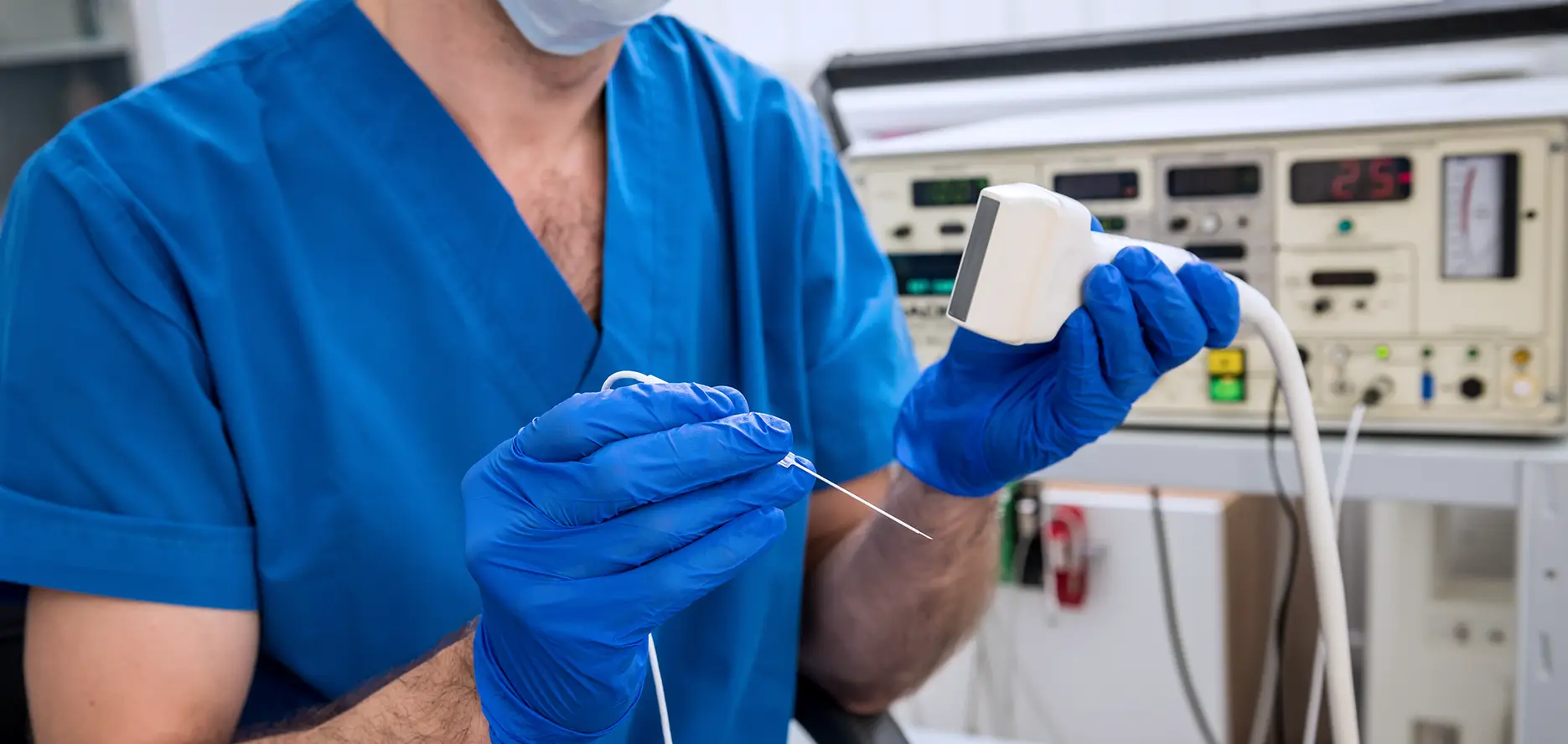
A radiofrequency ablation for varicose veins involves the application of heat from within the abnormal vessel, which closes it off and allows blood to pass through healthy alternative channels. Your recovery period will be very short indeed. Most people return to normal activity within a day or two. The difference between this and older surgical options is significant, both in comfort and outcomes.
RFA for varicose vein treatment isn’t right for everyone, and conservative care isn’t wrong to try first. But when the signs above are part of your daily experience, it’s worth having a direct conversation with a vein specialist about whether you’ve already moved past what conservative care can offer.RFA treatment has helped many people stop managing symptoms and actually resolve the problem. If any of the signs in this article sound familiar, the team at Advanced Cardiovascular Center can help you understand exactly where you stand and what your options are.