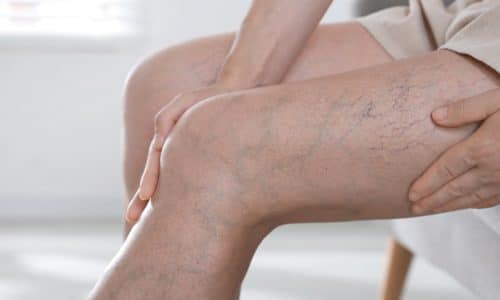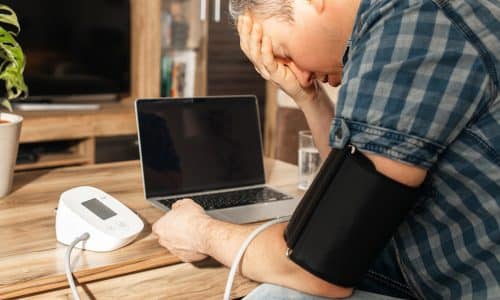
You notice them gradually — a twisted vein here, a bluish bulge there. By the time varicose veins become hard to ignore, most women chalk it up to aging. Age plays a role, sure, but it’s not the whole story. Around 40 million Americans have varicose veins, yet women develop them at least twice as often as men. That gap isn’t random, and it isn’t bad luck.
What’s Happening Inside Your Veins?
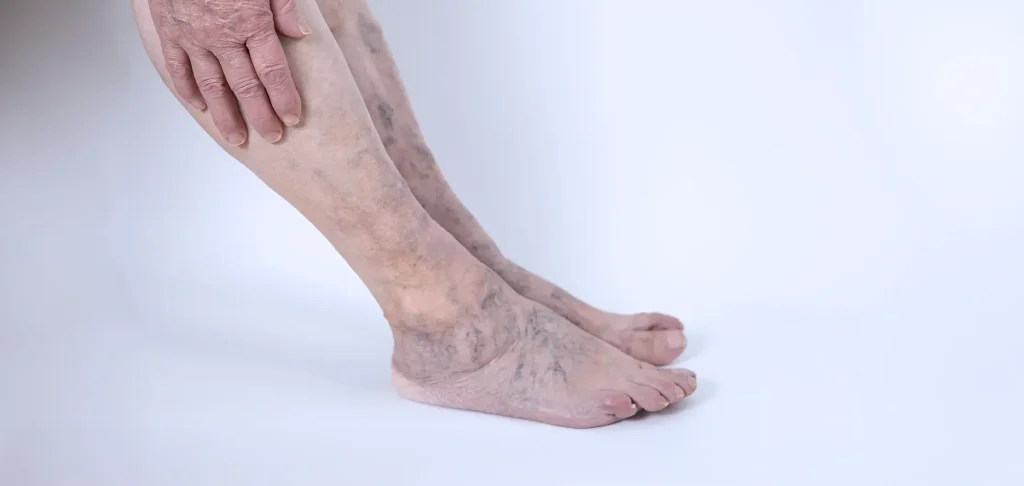
Leg veins have a tough job — pushing blood upward against gravity, all day. They use small internal valves to keep blood moving in the right direction. When those valves weaken and stop closing properly, blood pools. Pressure builds, the vein wall gives way, and you end up with a vessel visible beneath the skin.
These are surface veins, handling only about 10% of leg circulation. But that small percentage doesn’t make the problem minor. Once varicose veins form, they don’t reverse on their own — no cream or exercise routine fixes them. Varicose vein treatment is the only solution that actually eliminates them.
Why Hormones Matter So Much
Estrogen and progesterone directly affect how blood vessels behave. When hormone rises, vein walls and their valves tend to relax — and relaxed valves don’t close as tightly. Blood then pools more readily in the lower legs.
This isn’t a single event. It happens repeatedly — during monthly cycles, through pregnancy, into perimenopause, and beyond. Men don’t experience that kind of sustained, recurring hormonal pressure on their veins. That’s a significant part of why varicose veins skew so heavily female.
Pregnancy Is Particularly Hard on Veins

Blood volume climbs 40 to 45 percent by the third trimester. That’s an enormous demand on the venous system, and valves that can’t keep pace will allow pooling. The growing uterus doesn’t help either — it presses on pelvic veins, slowing blood return from the legs and adding pressure below.
Women who develop varicose veins during a first pregnancy often find them worse with each one after. It’s not inevitable, but it’s common enough that it’s worth knowing ahead of time.
Menopause Changes Things Too
About 1.3 million women enter menopause each year in the US. The conversation usually focuses on hot flashes and sleep problems, but what happens to blood vessels afterward rarely comes up — and it should.
While estrogen is present at healthy levels, it quietly keeps vessels elastic, linings smooth, and circulation relatively unobstructed. It also supports a better cholesterol balance. When estrogen drops after menopause, those effects go with it. Some women develop varicose veins for the first time in their fifties or sixties. Others who already had them find them progressing faster. Neither outcome is surprising once you understand what estrogen was doing in the background.
Obesity Adds Pressure

Excess weight increases strain on leg veins — this is true for everyone. But women have higher rates of severe obesity than men in the US, around 11.5% compared to nearly 7%. That difference is a real contributing factor to the overall gender gap, not just a footnote, as reported by every varicose vein clinic.
What to Actually Do About It
Aching legs, swelling, heaviness, veins that catch your eye every time you get dressed — none of this has to be permanent. Varicose vein treatment today looks nothing like it did twenty years ago. There’s no hospital stay, no general anesthesia, no long recovery. Procedures like thermal ablation, sclerotherapy, and ultrasound-guided techniques are done in-office and most people go back to normal activity the same day or shortly after.
If you’ve been searching for a varicose vein specialist near me and haven’t followed through, the barrier is lower than you probably think. A proper evaluation from a varicose vein specialist near me goes beyond what’s visible on the surface — it looks at what’s driving the problem so treatment actually holds.
A good varicose vein clinic like Advanced Cardiovascular Center will look at your full history — hormonal changes, family patterns, lifestyle, how your symptoms have been progressing — before recommending anything. Varicose vein treatment works best when it’s specific to your situation. Cookie-cutter approaches tend to produce cookie-cutter results.
If you’re ready to stop putting it off, schedule a consultation today — your legs will thank you for it.