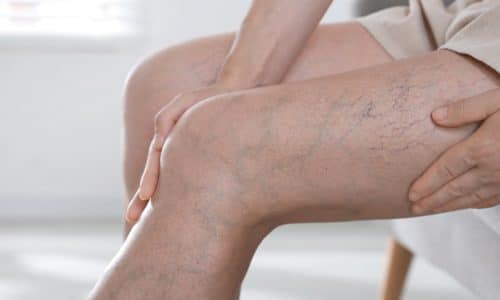
Leg pain that shows up by midday, veins that push visibly against the skin, ankles that stay swollen through the evening – most people chalk these up to being on their feet too much. Sometimes that is true. But when the symptoms keep coming back, the cause is often something happening inside the veins themselves.
Leg veins carry blood upward against gravity. To do that, they rely on a series of small valves that open and close in rhythm. When those valves wear out, blood slides back down instead of moving forward. It collects in the lower leg, raises pressure inside the veins, and eventually stretches them out. The stretched veins show up as varicose veins. The built-up pressure causes the aching, the heaviness, the swelling.
This condition is called chronic venous insufficiency, or CVI. It is not rare. Millions of Americans live with it, many without knowing there is a name for what they feel.
One option worth knowing about
For patients dealing with varicose veins tied to CVI, Varithena foam sclerotherapy is one of the more practical treatment options available today. It does not involve surgery, heat, or a significant recovery period. The U.S. Food and Drug Administration (FDA) approved it specifically for varicose veins caused by problems in the great saphenous vein (GSV) system, which is the large vein that runs along the inside of the leg from the ankle up to the groin.
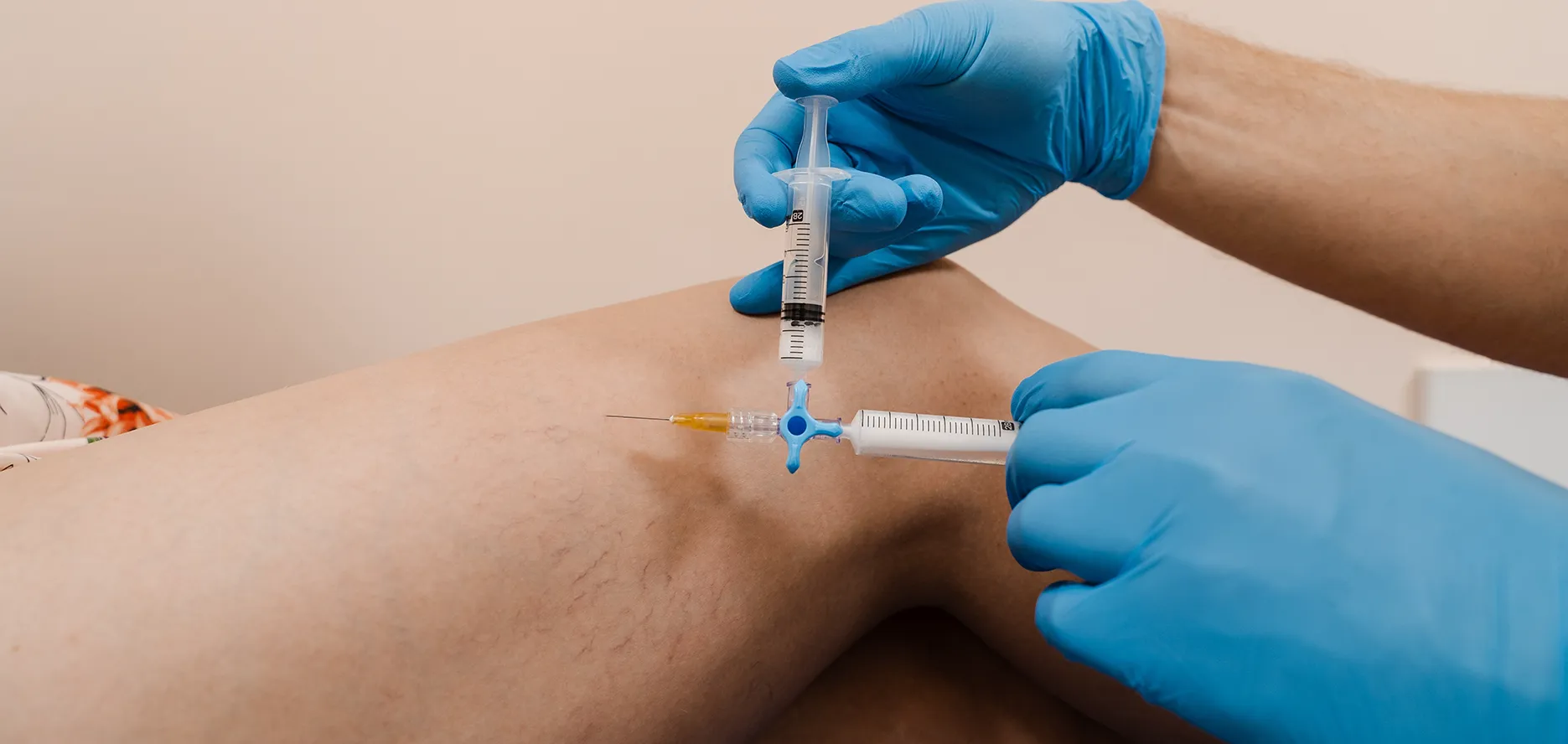
Varithena is a microfoam made of polidocanol, a drug that injures the inner lining of a diseased vein, mixed with oxygen and carbon dioxide to form small, consistent bubbles. When injected into the damaged vein, the foam fills it and causes the walls to close in on themselves. The body takes over from there, absorbing the collapsed vein gradually and sending blood through surrounding healthy vessels instead.
Because the gas component is oxygen and carbon dioxide rather than regular air, it does not carry the gas embolism risk that came with older foam techniques.
What the procedure looks like
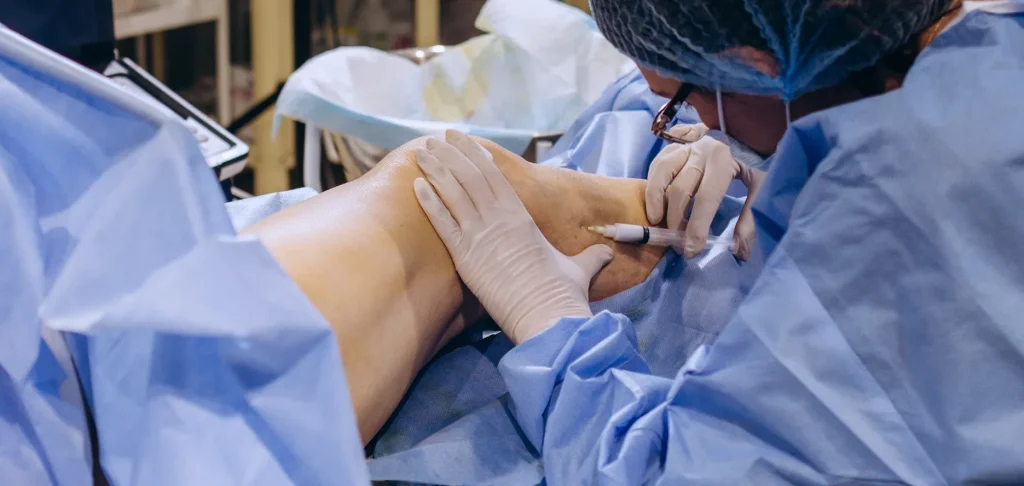
The appointment usually runs under an hour. The injection itself takes about 10 to 15 minutes. Your doctor locates the damaged vein using ultrasound, then delivers the foam through a thin needle or catheter. Most patients feel a brief pinch at the injection site and mild pressure as the foam moves through the vein.
Before you leave, a compression bandage is wrapped around the leg. You will wear compression stockings for two weeks after and walk daily to keep blood moving. Strenuous exercise and heavy lifting should wait a week. Most people return to their regular routine the same day.
For whom is this treatment suited
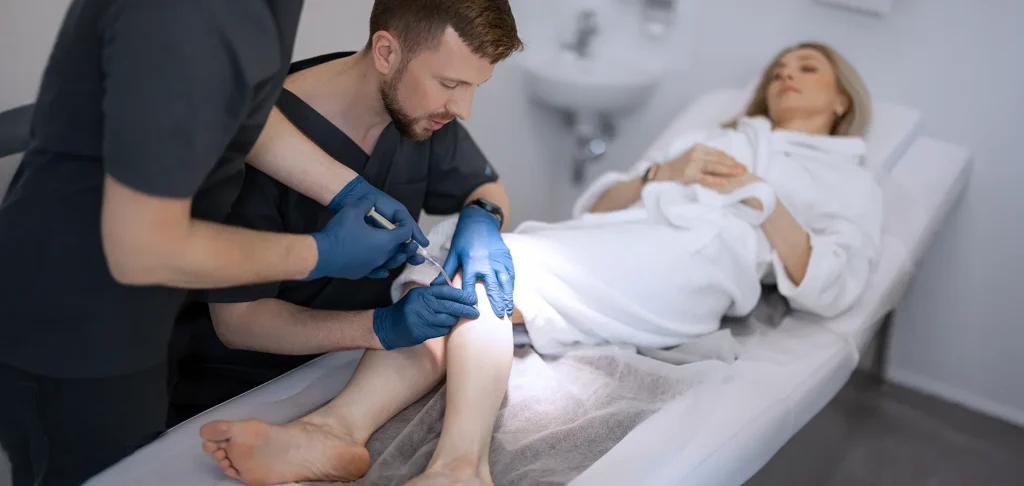
Varithena vein treatment is used for visible varicose veins, persistent leg heaviness, aching that worsens through the day, and swelling that does not resolve with rest. It works on both large trunk veins and the smaller branches that feed off them, so it can sometimes address multiple problem areas in a single session.
Some patients receive only Varithena treatment. Others get it as part of a broader plan that includes radiofrequency ablation (RFA) or laser treatment, depending on what the ultrasound reveals. A vein specialist will map the affected veins before recommending anything.
When you can expect to see a difference
Symptom relief tends to come first. Leg pain, heaviness, and swelling often improve within days to a few weeks. The visible veins fade more slowly. Most patients see the treated vein continue to shrink over a period of three to six months as the body absorbs it. Larger veins take longer. Follow-up ultrasounds are scheduled to confirm the vein has stayed closed.
Safety and insurance

Varithena treatment has a solid track record from clinical use. Side effects are generally mild – some localized tenderness, light bruising, or a brief burning sensation near the injection site. These resolve on their own. Serious reactions are rare.
Most private insurance plans and Medicare cover Varithena when patients meet specific criteria, including a confirmed venous reflux diagnosis on ultrasound and documented symptoms. The vein clinic usually helps gather the paperwork needed for approval.
If your legs have been bothering you and varicose veins are part of the picture, a venous ultrasound is the right place to start. It shows exactly which veins are involved and how blood is moving through them.Are you the right candidate for Varithena vein treatment? To know your condition, contact Advanced Cardiovascular & Vein Center and book a consultation with a vein specialist.