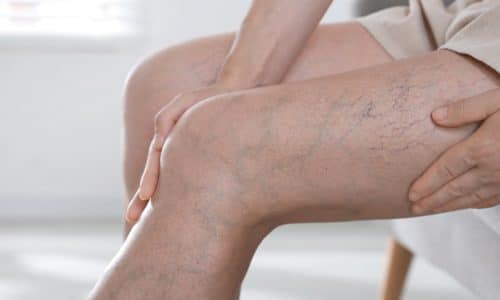
Varicose veins are more common than you’d think, and let’s be honest—they’re not just a cosmetic nuisance. They can ache, swell, and really mess with your day. The good news? You don’t have to just live with them. These days, two of the most popular ways to treat them are laser vein treatment and sclerotherapy. Both are minimally invasive, and both can help get your legs looking and feeling better.
So, what sets these treatments apart? The right choice depends on things like how big the veins are, where they’re hiding, and how bad the problem is. If you’re not sure, the best move is to talk to a specialist who deals with varicose veins all the time.
How Laser Treatment for Varicose Veins Works
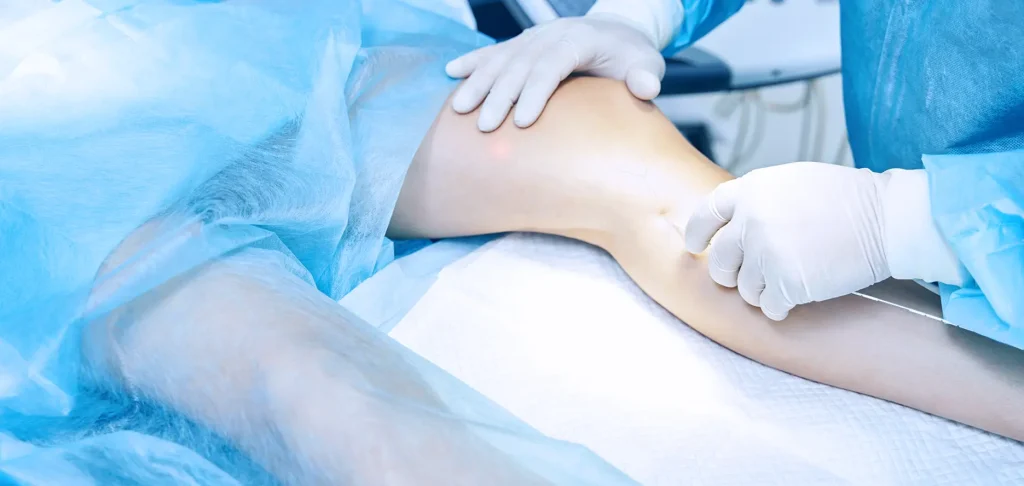
Laser treatment sounds high-tech because it is. The doctor inserts a slender laser fiber into the vein to be treated. Once it’s in place, they zap the inside of the vein with a controlled burst of laser energy. That heat makes the vein collapse and seal up. After that, your body does the cleanup—absorbing the closed vein and rerouting blood through the healthy veins nearby.
What’s Sclerotherapy All About?
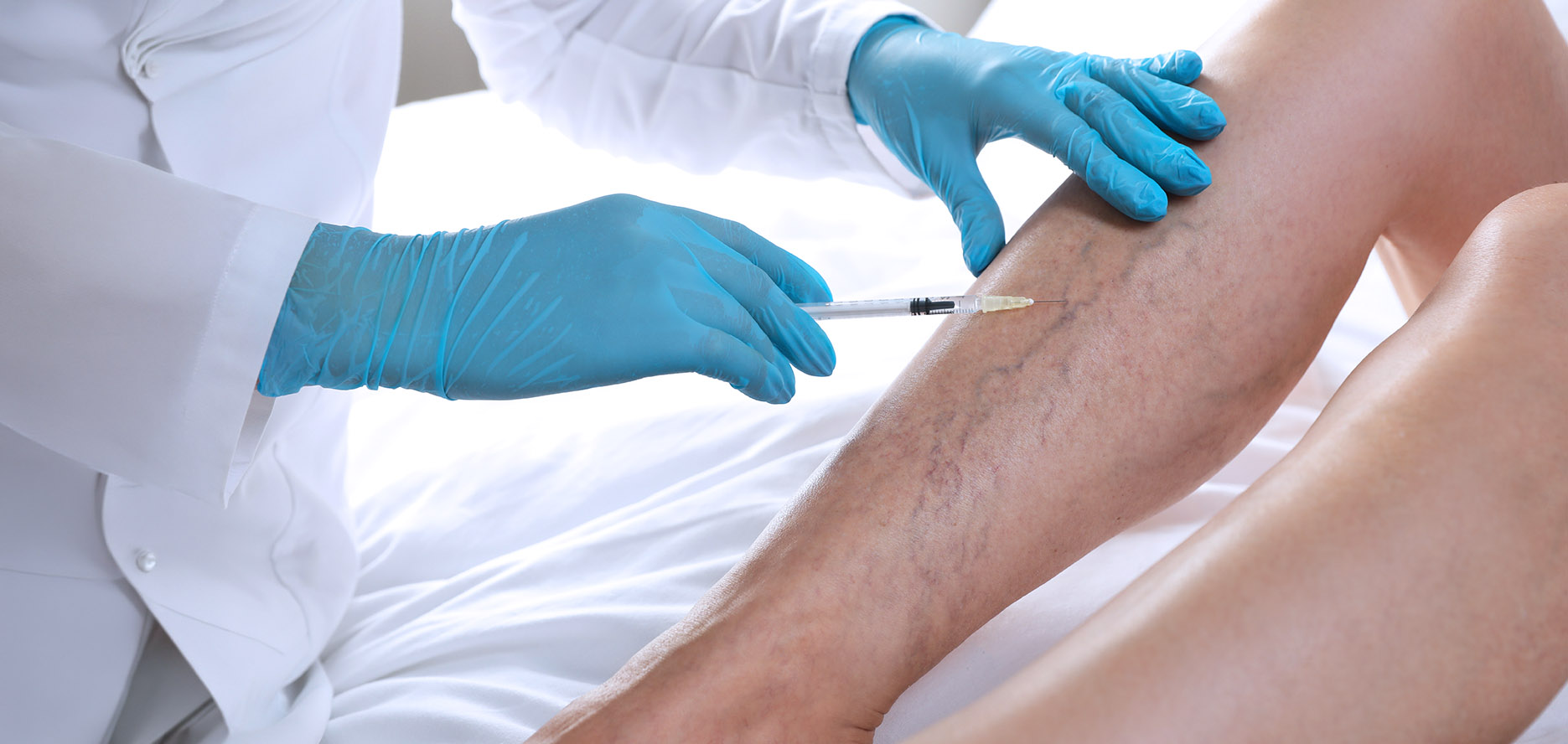
Sclerotherapy is another go-to for treating varicose veins. Instead of lasers, this one uses a special solution. The doctor injects this sclerosing agent right into the troublesome vein. The solution irritates the vein’s lining, which causes the vein to close up. Just like with laser treatment, your body eventually absorbs the sealed vein and sends blood flowing through better pathways.
So, What’s Different? How Do They Work?
The biggest difference is in the approach. Laser treatment uses heat from a laser to close the vein—think of it as gently cooking the inside of the vessel until it shuts down. Sclerotherapy, however, is simply the chemistry: the injected solution irritates the lining of the vein causing it to collapse and seal shut. In the end, both treatments close off the bad vein, just in different ways.
Precision
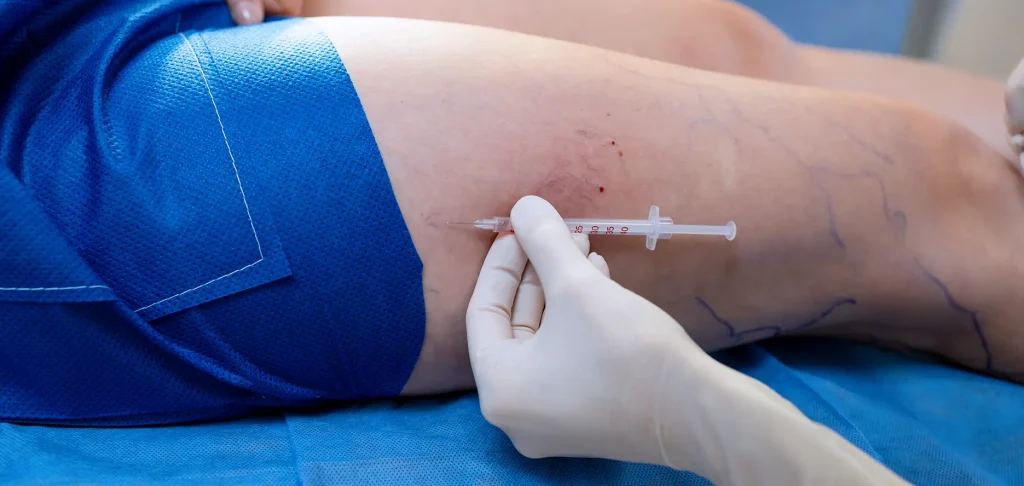
Laser treatment for varicose vein gets a lot of credit for being super precise. The laser targets one vein at a time, so the surrounding tissue doesn’t really get involved. That’s great if you want to avoid collateral damage.
Sclerotherapy is accurate too, but the solution can sometimes spread a little and affect nearby tiny veins. It’s usually not a big deal, but if you’re after pinpoint precision, laser might edge out sclerotherapy.
What It Feels Like
If you go with laser treatment, expect to feel a little warmth or pressure as the fiber does its job. It’s brief, and most people handle it just fine.
Sclerotherapy for varicose veins can sting or burn a bit right at the injection site, but the feeling usually disappears fast once the injection is done.
Are These Procedures Invasive?
Both are considered minimally invasive. With laser therapy, you’ll need a small incision for the fiber. Sclerotherapy for varicose veins just uses a fine needle. No big surgery, no overnight stay in the hospital—you are in and out, usually at a dedicated varicose vein clinic.
Recovery Time
You won’t be stuck in bed for days. Most people recover quickly, resuming their normal activities in a day or two—often sooner than that. If you opt for laser or sclerotherapy, your doctor may recommend that you wear compression stockings and stay active to help your veins heal and keep your blood flowing.
Effectiveness and Results
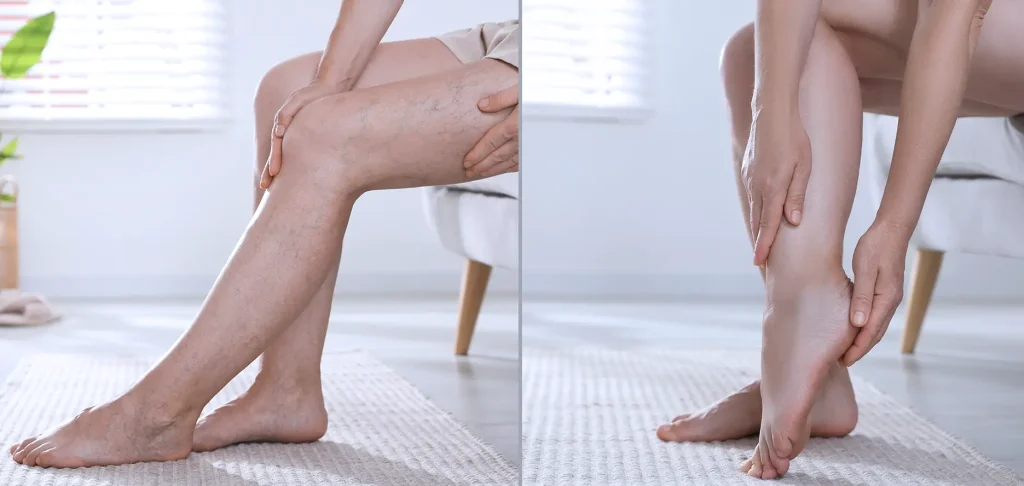
Both treatments work really well—when matched to the right vein problem. Laser treatment is ideal when you want to home in on specific veins with greater precision. Sclerotherapy also is considered the first line treatment for smaller veins and traditional spider veins. If you see a skilled specialist at a varicose vein clinic, either option can make a huge difference. You’ll notice veins look better, and symptoms like pain, swelling, or that heavy feeling start to fade.
Final Thoughts
The best treatment for your varicose veins is based on factors including the size of the veins, where they are located, and how much they are causing you trouble. Your best bet is to talk to a vein specialist—they’ll let you know what’s best for your particular situation. Care facilities such as the Advanced Cardiovascular Center offer multiple treatment options with personalized care. Contact us and you don’t just look and feel better — you’re prepping your veins for better health down the line.