Radio Frequency Ablation (RFA) Venaseal
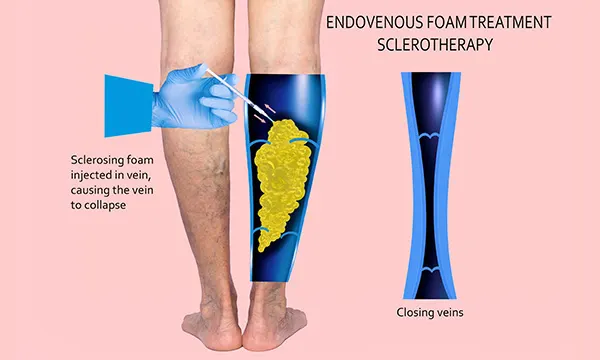
Healthy leg veins have one-way valves that keep blood moving up toward the heart, fighting gravity the whole way. But when those valves get weak, blood starts to pool instead of moving forward. That’s called venous reflux. The best way to treat varicose veins is to shut down the vein that’s not working right. Once that vein is closed off, your body slowly absorbs it, and blood finds its way through stronger, deeper veins.
Radiofrequency Ablation and VenaSeal both go right to the root of venous reflux, and neither one needs open surgery. These are quick, minimally invasive procedures done with imaging guidance.
What is Radiofrequency Ablation?
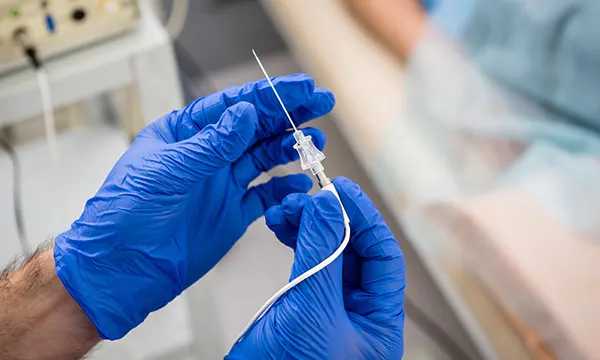
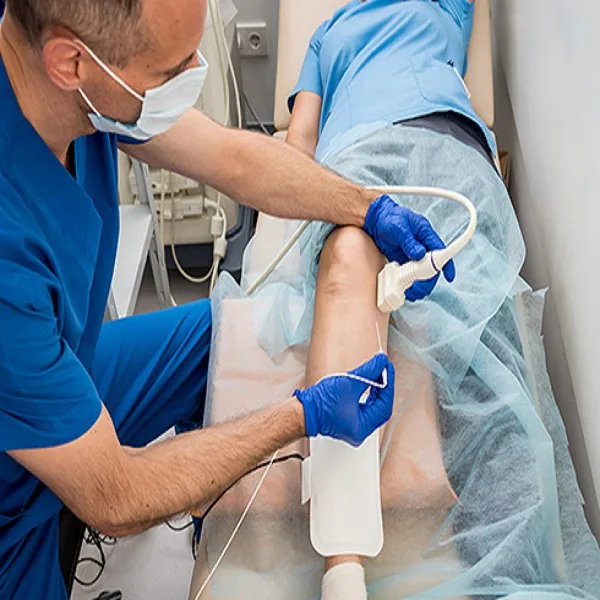
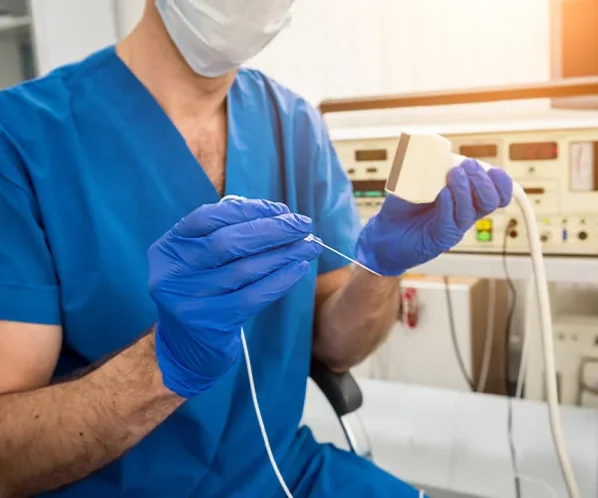
Radiofrequency Ablation (RFA) uses heat to close up the faulty vein. A doctor threads a slim catheter into the affected vein using ultrasound to see exactly where it’s going. Once it’s in position, they send a burst of radiofrequency energy along the vein wall, which makes the vein tighten and seal shut. Blood instantly reroutes through healthier veins nearby. The procedure is pretty focused; only the problem vein gets treated, and the rest of your tissue stays safe. Over time, your body just absorbs the closed vein.
What is VenaSeal?
VenaSeal works differently. It’s not about heat at all. Instead, it uses a medical adhesive, basically a safe “vein glue”. It seals the vein from the inside. With ultrasound guidance, the doctor puts a small amount of this adhesive inside the vein, and it seals up right away. There’s no need for multiple numbing injections, and no risk of heat damage to surrounding tissue. For patients who want as little intervention as possible, this is often a good fit.
What’s the difference between RFA and VenaSeal?
Both work really well, but they get the job done differently. RFA uses heat and requires local anesthesia along the vein. Some people feel mild tightness or tenderness while they heal.
VenaSeal uses adhesive, doesn’t need tumescent anesthesia in most cases, and you usually don’t have to wear compression stockings afterward. The best choice depends on how your veins are built, how severe your symptoms are, your health history, and what you personally prefer. Doctors use a detailed ultrasound to figure out which treatment makes the most sense for you.
Who can get these treatments?
These outpatient procedures are great for people with symptoms caused by venous reflux having symptoms such as leg pain, heaviness, swelling, bulging veins, skin changes, or early signs of ulcers. They’re also an option for folks who tried compression socks but didn’t get relief.
Every patient gets a personalized evaluation, and ultrasound mapping makes sure the right vein gets treated while leaving healthy veins alone.
Duration
These outstation procedures usually take between 30-60 minutes, depending on how long the vein is. You stay awake and comfortable, and you’re encouraged to walk soon after.
Recovery and After-Care
Recovery is usually quick. The vein closes right away, but you will see improvement over time. Most people notice visible changes within 2-3 months as the body absorbs the treated vein. Smaller veins can clear up in a few weeks, but bigger or more severe cases might need a few months for full results.
Most people get back to their regular routines within a day. Walking right away is good for your circulation. Doctors usually advise avoiding tough workouts or heavy lifting for a week or two, and you will probably wear compression stockings to help with healing and swelling.
You will come back for follow-up visits and ultrasounds to make sure everything is healing as it should with proper blood flow.
Safety and Effectiveness
Radiofrequency Ablation (RFA) and VenaSeal have a solid track record. Studies show vein closure rates of 90–95% at one year, sometimes even higher. Long-term, most people still have good results: about 85–90% of treated veins stay closed five years after the procedure.
Complications aren’t common, and when they do happen, they’re usually mild, like temporary bruising, a bit of swelling, tenderness, or a numb patch of skin. Serious problems are pretty rare, especially when skilled vascular specialists use ultrasound to guide the procedure.
Pros of RFA or VenaSeal
Both these procedures don’t just mask the symptoms. Instead, they fix the actual venous disease without making any surgical incision. The patient will be given just local anesthesia, so that they will remain awake during the procedure. After undergoing these procedures, people can get back to their normal routines quickly. Better circulation means you feel better and get your quality of life back.
Cost Factor
The price depends on how many veins need treatment, how complex the case is, and your insurance. If you have insurance, your out-of-pocket costs usually land between $900 and $2,000 per treated vein. This depends on your specific coverage, deductibles, and co-insurance. Without insurance, total costs are generally between $3,000 and $5,000. That covers the initial ultrasound, the procedure, and supplies like compression stockings.
Why Experience Counts
Getting good results with varicose vein treatment really comes down to accurate diagnosis and careful technique. If the wrong vein gets treated, or if reflux is missed, the problem can come back. Ultrasound-guided planning and experience matter. At Advanced Cardiovascular Center, vein specialists will do a personalized assessment in order to decide the ideal treatment that works for you. Our care doesn’t halt immediately after the procedure. We are here to guide you for a long duration.
If you’re tired of leg pain, swelling, or visible veins, it’s time for a real solution. Modern options like RFA and VenaSeal give effective relief without surgery. Book a consultation to find out which treatment fits you best and how you can get back your comfort, mobility, and confidence.