Most of us have dealt with swollen legs at some point—after a long day on our feet or stuck in a chair for hours. But if the swelling keeps coming back, sticks around, or just shows up out of nowhere, it’s usually your body waving a red flag. A lot of people brush it off, thinking it’ll just go away. But when it doesn’t, or if it gets worse, there’s often something deeper going on—like lymphedema or chronic venous insufficiency (CVI).
Here it is: lymphedema and CVI can look a lot alike, but they’re not the same. They happen for different reasons, and you can’t treat them exactly the same way. Ignore them and life gets harder—walking, getting around, even just feeling comfortable in your own skin. That’s why if your legs keep swelling up, it’s smart to see a specialist at a vascular clinic and get some answers.
What Is Lymphedema?
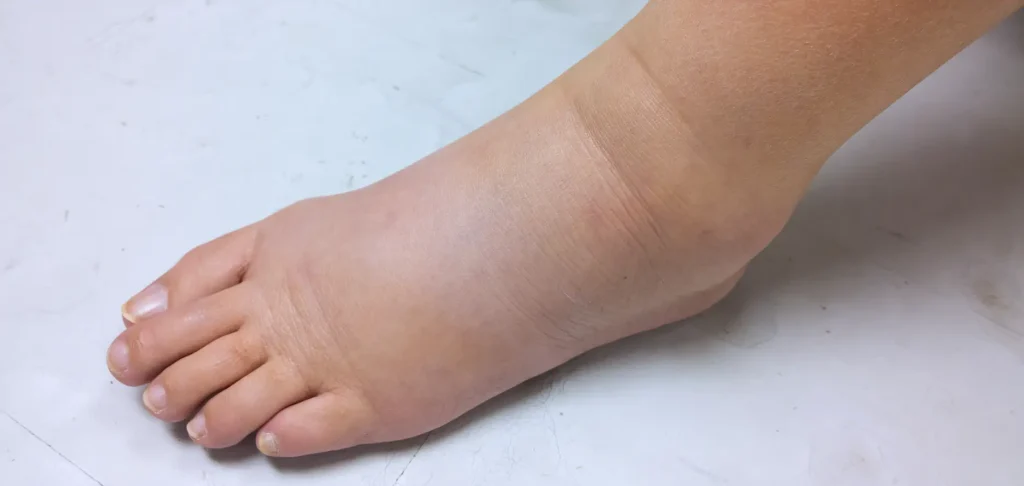
Lymphedema occurs when your lymphatic system becomes too congested and your tissues hold more fluid than they should. This system usually transports excess fluid, waste and immune cells across your body. But when it’s obstructed or impaired, that fluid accumulates underneath your skin, and — you guessed it — your arm or leg begins to swell.
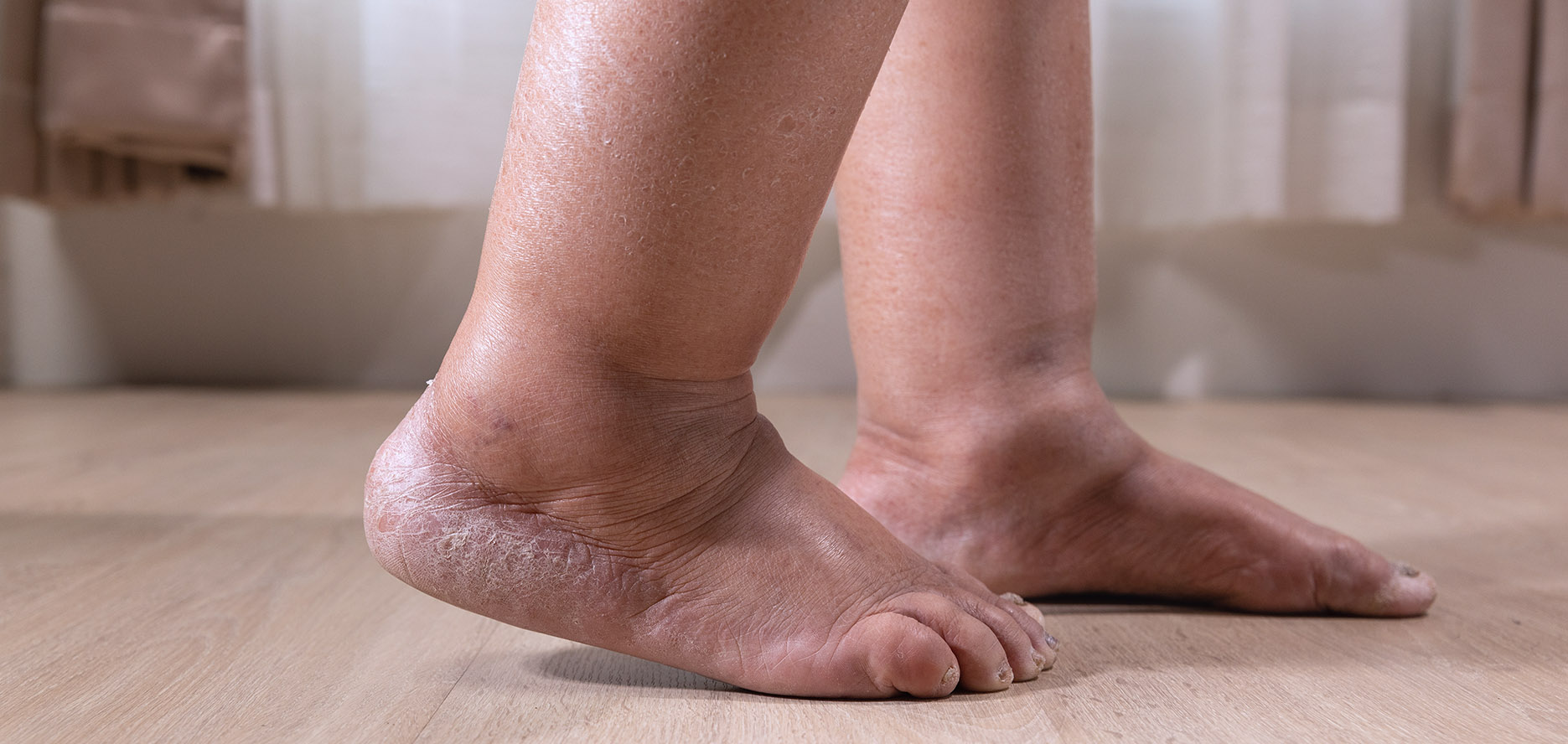
Most of the time, lymphedema targets your limbs. If you leave it untreated, the swelling can get out of hand and even change the way your skin looks and feels. Here’s what you might notice:
- Swelling that just doesn’t go away (legs, arms, or even other spots)
- Your limb feels heavy, full, or kind of tight
- Skin starts to feel thick or different than usual
- Discoloration—maybe redder or darker than normal
- Aching, tingling, or numbness
- It’s harder to move joints near the swelling
- In really bad cases, you can get wounds or infections
So if you’re noticing these symptoms and find yourself searching for “Lymphedema treatment near me” via Google, don’t wait. Reach out to a specialist who knows what they’re doing. They’ll check you out and get you started on the care you need.
What about Chronic Venous Insufficiency in Legs?

CVI is a different condition. It doesn’t have much to do with your lymphatic system—it’s your veins that are the problem. Your veins are supposed to push blood back up to your heart, fighting gravity along the way. They have tiny valves to stop blood from slipping backward. But if those valves get weak or busted, blood pools in your lower legs. That’s chronic venous insufficiency.
Here’s what CVI can look like:
- Swollen legs
- Aching or cramping
- Tingling or numbness
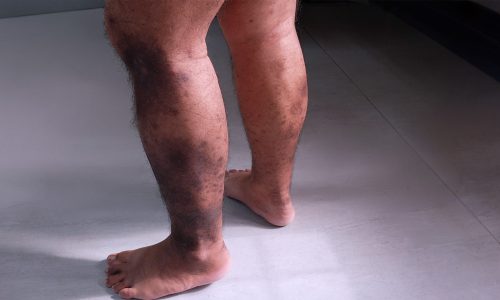
- Skin gets thicker or changes color
- Varicose veins you can actually see
- Pain that gets worse the longer you stand
Figuring Out What’s Really Going On
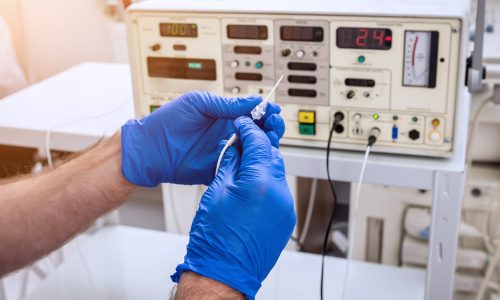
Because the symptoms can overlap, it’s tough to know which condition you’re dealing with just by looking. That’s where specialists come in—they’ll use tools like ultrasound and a few other tests to figure out what’s really causing the swelling.
When you’re googling “Lymphedema treatment near me,” chances are the swelling has already gotten annoying—or maybe it just won’t go away. Honestly, the sooner you get to a vascular clinic, the better. They can figure out what’s going on and set you up with the right treatment before things get worse.
How Do You Treat Leg Swelling?
It all depends on what’s causing it. For lymphedema, the goal is to help your body drain that extra fluid. That might mean wrapping your limb with compression bandages, getting special massages, or doing exercises to get things moving. Sometimes, minor procedures can help drain fluid or patch up the lymphatic system directly.
Since chronic venous insufficiency in legs is unusual, doctors might go for minimally invasive procedures such as Microfoam Ablation, Radiofrequency Ablation, or sclerotherapy.
When Should You See a Doctor?
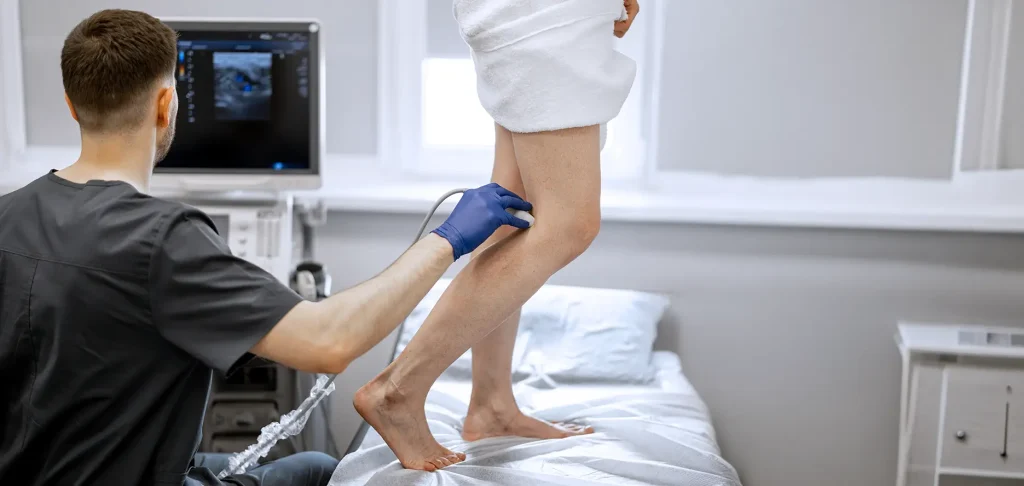
If your swelling is just a once-in-a-blue-moon sign after a road trip, you’re probably fine. But if it sticks around, gets worse, or comes with pain or changes in your skin, don’t just hope it’ll go away.Both lymphedema and CVI get worse if you ignore them. So if your legs or feet keep swelling up, make an appointment at a trusted vascular clinic “Advanced Cardiovascular Center“. You’ll get answers—and you’ll be one step closer to feeling like yourself again.