Chronic Venous Insufficiency
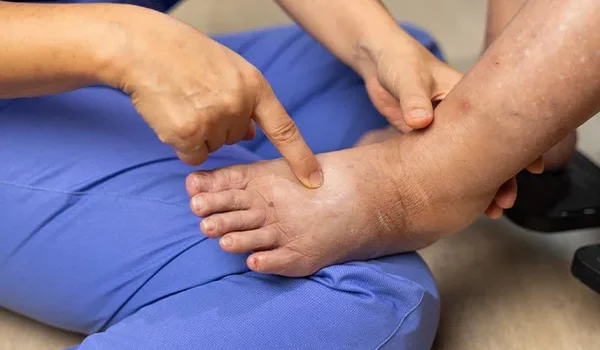
Chronic Venous Insufficiency (CVI) happens when the veins in your legs just don’t push blood back up to your heart the way they should. Blood starts to pool down there. That’s when you get swelling, aching, weird skin changes, and sometimes wounds that just won’t heal.
Catch CVI early, and modern treatments can keep things from getting worse.
What Is Chronic Venous Insufficiency?
CVI sticks around. The valves in your leg veins (the little flaps that keep blood moving up, not down) get weak or damaged. When that happens, blood leaks backward, collects in the veins, and pressure builds up. That’s when you start noticing symptoms.
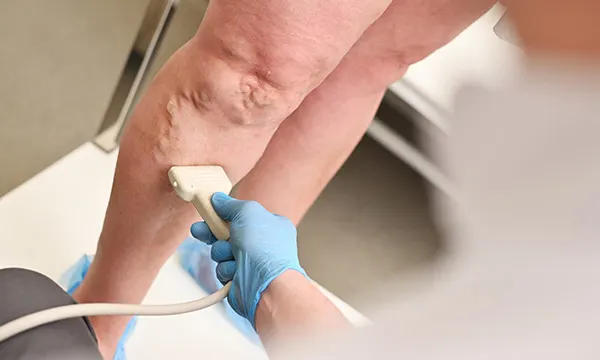
CVI usually sneaks up on you. It’s often tied to varicose veins, but not always. Some people never see big bulging veins but still have the problem.
Is Chronic Venous Insufficiency Serious?
Absolutely! If you ignore CVI, things can spiral. You could end up with constant pain, trouble walking, skin that never really heals, or even blood clots.
Treating CVI early makes a huge difference. You’ll feel better and avoid bigger problems down the road.
How Do Doctors Diagnose CVI?
It’s pretty straightforward and painless.
What to expect:
- A physical exam
- Doppler ultrasound to check:
- Which way your blood is flowing
- How your valves are working
- Any clots hiding in there
- How severe your reflux is
How to Stop CVI from Getting Worse
- Stay active. Move around when you can
- Avoid prolonged duration of sitting and standing
- Keep your weight in check
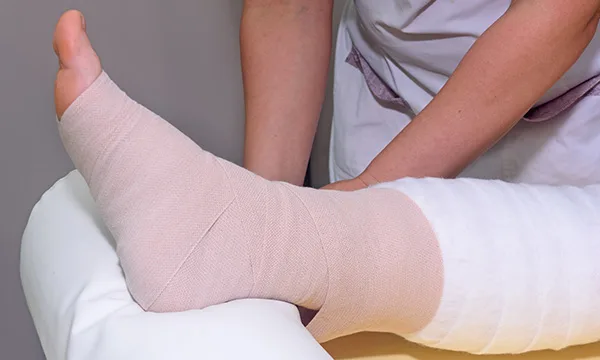
- Use compression stockings if your doctor says so
- Elevate your legs when you relax
Frequently Asked Questions
Still have questions? Here are some answers:
Is CVI curable?
You can’t always cure it, but you can control it with the right care and lifestyle changes.
Can CVI come back after treatment?
Stick with your treatment and follow-up appointments. Most people don’t see it return.
Will I need surgery?
Nope. Most people do great with less invasive procedures
Don’t brush off leg swelling or skin changes. The sooner you act, the better you will feel and avoid major trouble down the line. Book an appointment today!