Modern workdays are built around chairs. Desk jobs, long commutes, screen time, and evening downtime all share one feature: hours of uninterrupted sitting. While the metabolic risks of inactivity are well known, damage to blood vessels often goes unnoticed. Even in young adults, prolonged sitting reduces how efficiently arteries expand to allow blood flow. That decline matters. A small reduction in vascular function is linked to a sharply higher risk of heart disease and stroke later in life.
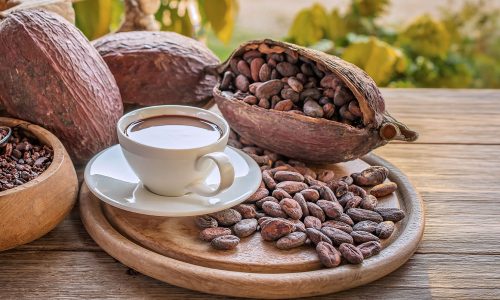
New research from the University of Birmingham approaches this problem from a practical angle. Instead of focusing only on exercise or posture changes, the researchers asked whether everyday foods could protect blood vessels during long sitting periods. Their findings place flavanol rich foods such as cocoa and tea squarely in the conversation with the preventive cardiologist.
What Happens to the Heart When We Sit Too Long

When the body stays still, blood flow slows, particularly in the legs. Reduced movement lowers shear stress on vessel walls, a signal the endothelium relies on to maintain flexibility and healthy function. Over time, this leads to stiffer arteries and higher blood pressure.
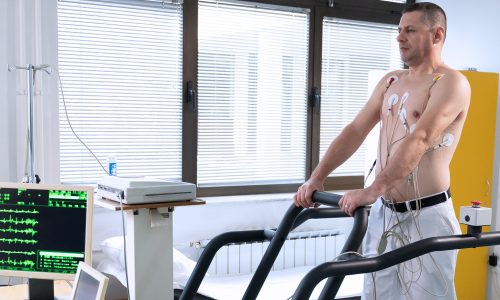
Researchers measure this response using flow mediated dilation, a marker of how well arteries widen in response to increased blood flow. Even short periods of sitting can reduce this response. Previous studies have shown that a one percent drop in this measure corresponds to a significant increase in cardiovascular risk. Fitness alone does not eliminate the problem.
Why Flavanols Enter the Picture
Flavanols are plant compounds found in cocoa, tea, apples, berries, and some nuts. They influence nitric oxide availability, inflammation, and endothelial signaling, all central to vascular health. Earlier work linked flavanols to improved blood vessel responses during psychological stress. The Birmingham study explored whether the same protection might apply to physical inactivity.
The trial involved forty healthy young men with varying fitness levels. Before sitting for two hours, participants consumed either a cocoa drink rich in flavanols or a version with minimal flavanol content. Researchers then measured arterial function, blood flow, blood pressure, and muscle oxygenation. For more details, refer to the article
https://physoc.onlinelibrary.wiley.com/doi/10.1113/JP289038
Cocoa Shows a Clear Protective Effect
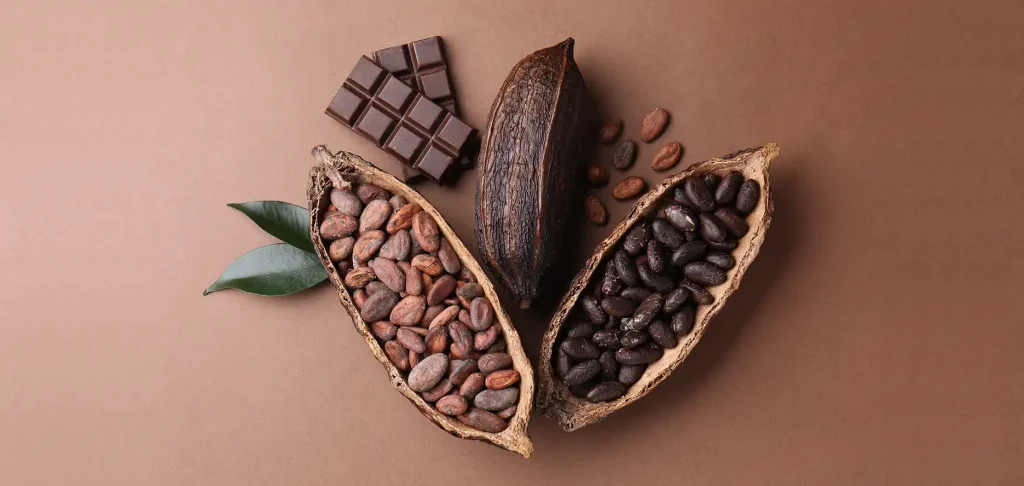
The contrast was shocking. Participants who drank the low-flavanol drink experienced the expected reduction in vascular function. Arteries of the arms and legs became less responsive. There is reduction in blood flow, increase in diastolic blood pressure, and reduction in muscle oxygenation. These effects appeared regardless of whether the participants were very fit or less active. Those consuming high flavanol cocoa showed none of these reductions.
Arterial function remained stable after two hours of sitting. Blood pressure and flow measurements remained stable. The protective effect appeared at all fitness levels, suggesting that diet may support vascular resilience even when physical activity is limited. Prolonged sitting acts as a temporary but frequent insult to the vascular system. Flavonols appear to reduce this insult.
Implications for Preventive Cardiology
From the perspective of a preventive cardiologist, the study highlights the gap between lifestyle advice and real-life behavior. Make sure to advise patients to move frequently, but many cannot avoid sitting for prolonged duration during work or travel.
This is particularly relevant for patients seeking early intervention at a heart care center in Surprise, where prevention often begins long before symptoms appear. Blood vessel dysfunction precedes structural heart disease by years. Supporting endothelial health can slow this trajectory.
High cardio respiratory fitness did not prevent vascular compromise induced by sitting. Diet influenced results more strongly than baseline fitness during inactivity. For patients who exercise regularly but spend long hours sitting, this distinction is important.
Bringing Flavanols into Daily Routines
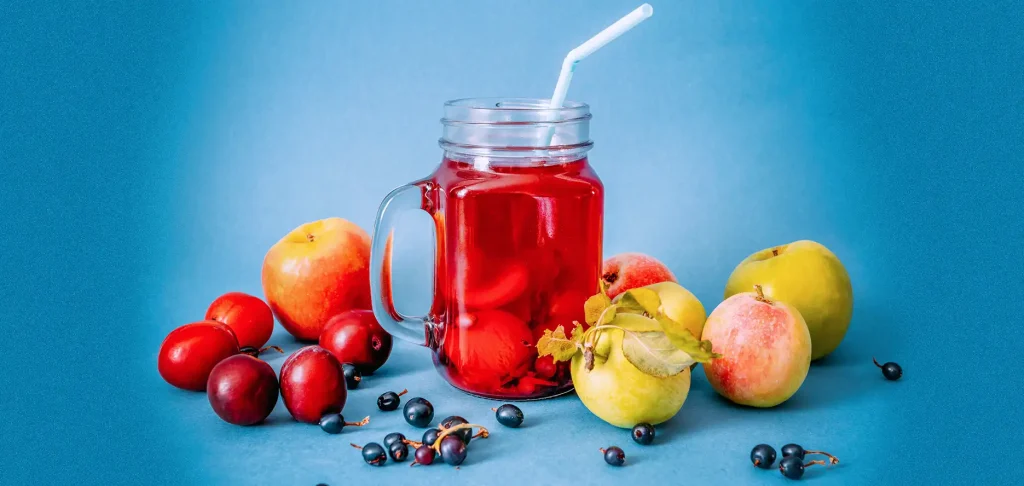
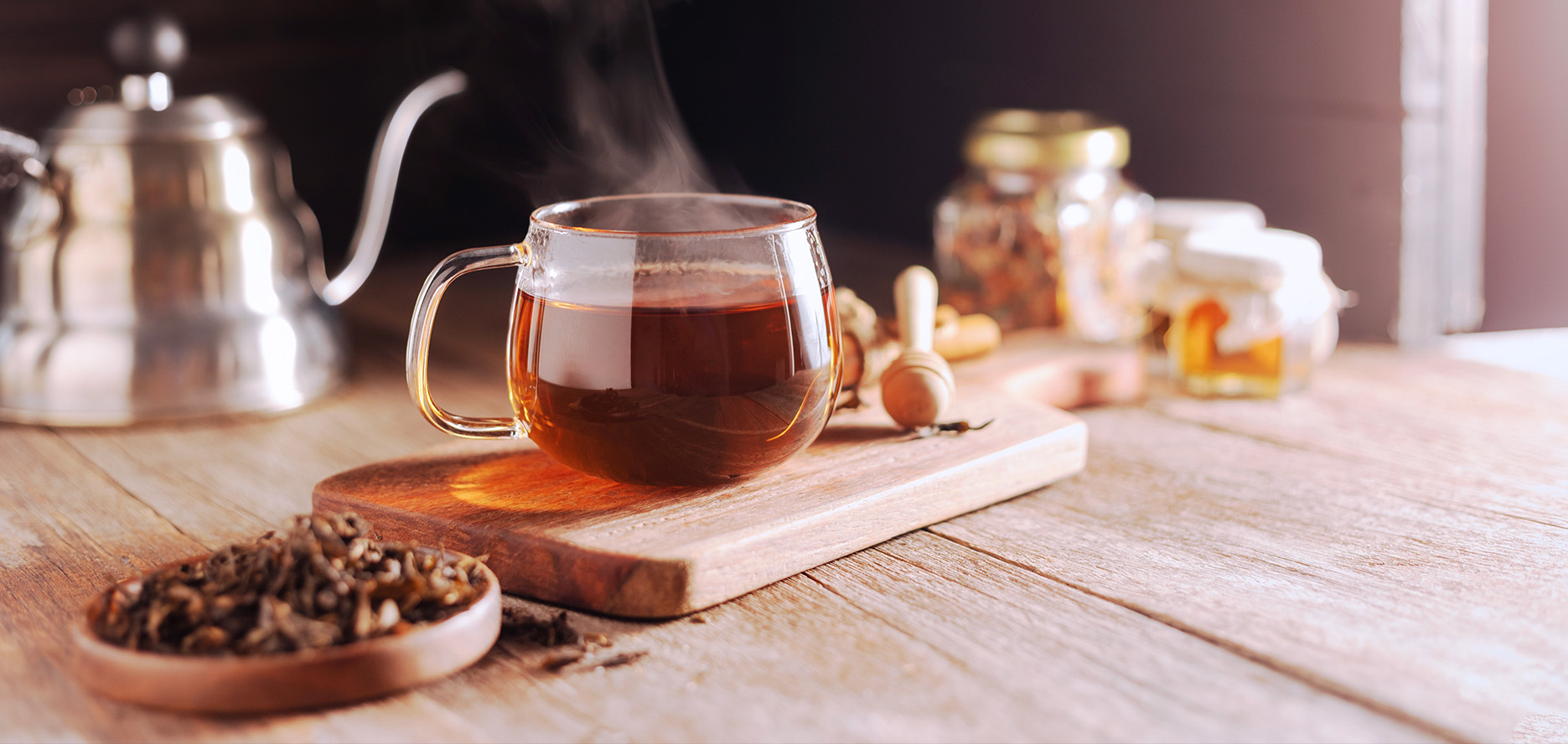
The study used cocoa processed to preserve its flavanol content, not heavily sweetened chocolate. Similar compounds are found in black and green tea, apples, plums, berries, and certain nuts. These foods are widely available and easy to incorporate without major dietary revision.
For people working with the best heart specialists in Surprise, this research supports tailored advice that blends nutrition with exercise. Standing breaks, short walks, and flavanol-rich foods work best together. One does not replace the other.
A Broader View of Sitting and Heart Health
Cardiovascular disease is on the rise, not only because of genetics or aging, but because everyday habits quietly strain the vascular system. One such habit is sitting for long periods of time. According to the best heart specialists in Surprise, the Birmingham study does not suggest cocoa or tea is a cure. It shows that the body responds to supportive signals even during inactivity.
What you consume during a sedentary period can influence how your blood vessels cope. Those insights add a valuable tool to preventive cardiology, which is based on actual behavior rather than ideal lifestyle.