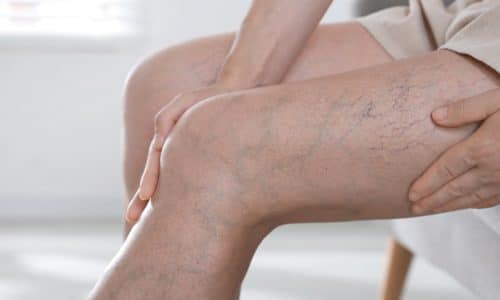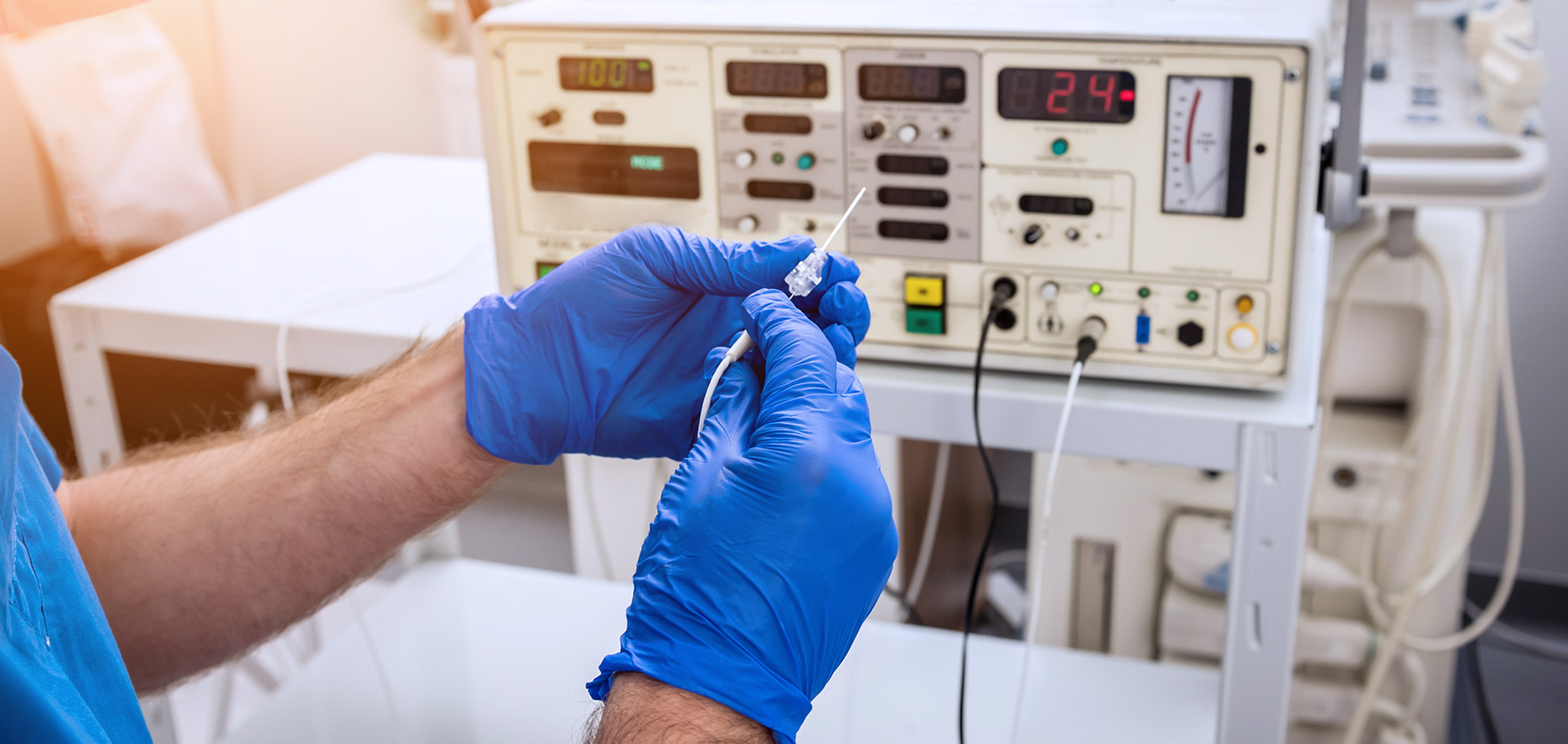
Heavy legs aren’t always just about looks. Painful bulges often bring tiredness, puffiness, discomfort – all slowing down regular routines. One in every few grown-ups deals with this over time. New ways to fix blood vessel issues have emerged. Fresh data from Britain sharpens how doctors decide what works best – particularly if getting back on your feet fast counts.
A team from Imperial College London began tracking how people felt after vein treatments. Their work put two common methods head to head – one using laser energy, the other heat from radio waves. This wasn’t guesswork; it was a tightly controlled experiment with real outcomes measured over time. Thirteen dozen individuals signed up, each struggling daily with swollen, painful legs. Results landed in a well-known surgical journal last month. People receiving radiofrequency ablation (RFA) treatment reported far milder discomfort once they left the clinic. Pain levels stood out clearly when nurses reviewed follow-up notes week after week.
What the study found
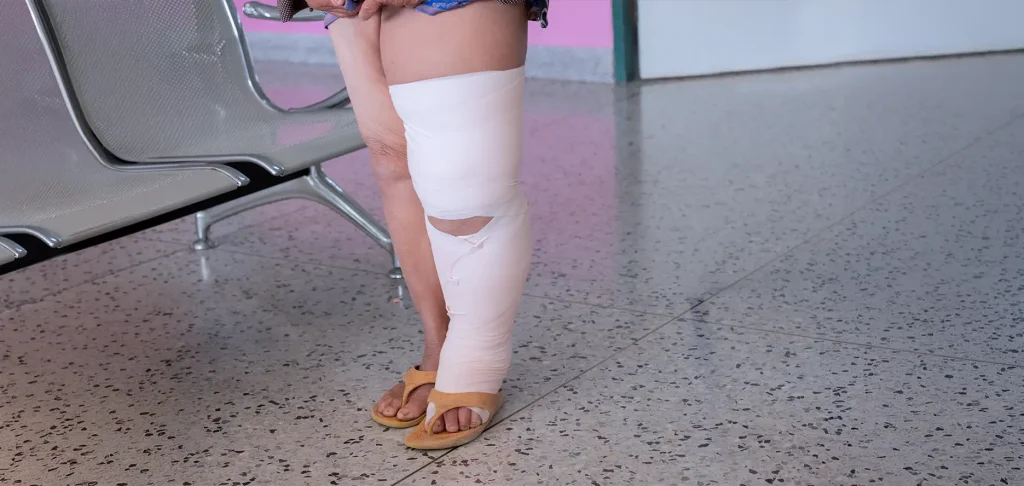
Folks getting the study treatment drew one of two options: a 980 nm laser method or radiofrequency heat through the ClosureFAST setup. Every single operation happened while fully asleep, handled only by seasoned surgical teams. That way, differences in results came down to the technique itself – never who was doing it.
Each day, patients marked their pain on a standard line scale. During the initial three post-op days, those in the RFA treatment for varicose veins felt less pain than people who got EVLA. That gap stayed evident through ten days, while fewer tablets were needed by the radiofrequency recipients. Routine tasks resumed sooner among the ablation group – proof that easing the pain made life easier.
One group bounced back faster at first, yet by six weeks, each saw similar gains in health and daily living.
For more details, refer to the article – https://academic.oup.com/bjs/article-abstract/97/6/810/6150519?redirectedFrom=fulltext
Why RFA treatment for varicose veins stands out
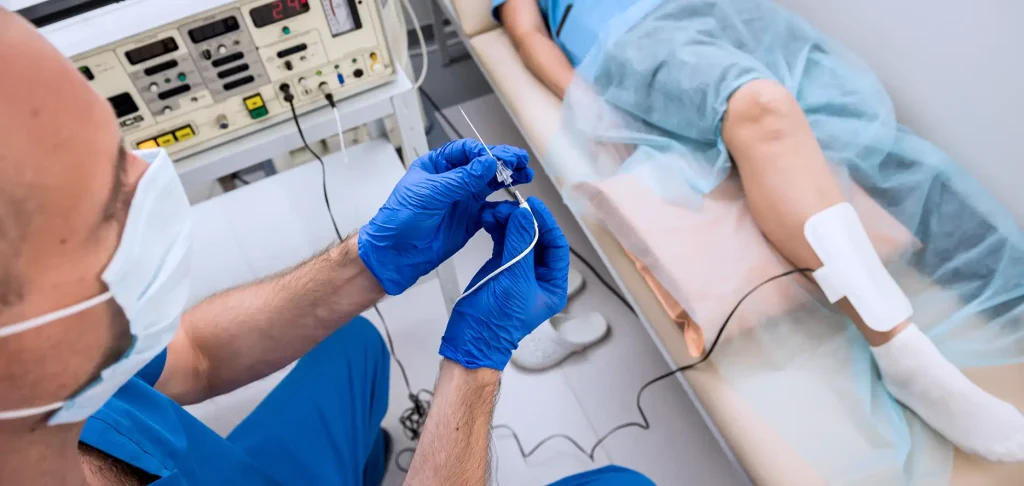
Fewer cuts mean fewer problems – that idea changed how doctors treat bulging veins. Radiofrequency ablation makes its mark by using heat carefully, shutting down bad veins without harming nearby areas. Heat applied just right may explain why soreness fades faster, swelling stays low, and people return to daily life sooner.
Comfort shows up again here, just like doctors see every day. Less pain often leads to fewer painkillers being used, movement happening sooner, plus happier patients overall.
Later choices show up here
Heat-based methods such as RFA and EVLA remain common, yet alternatives that skip temperature changes are rising in interest. Take VenaSeal, for example – it seals damaged veins using special glue instead of heat or numbing injections. Since no burning or swelling is involved, recovery feels easier for some people. Those who struggle with standard treatments might find this method fits better into their situation.
When technology improves, doctors personalize treatment options by looking at vein shape and patient needs. Many doctors weigh radiofrequency against VenaSeal treatment for varicose veins when sorting out a personal path forward.
The Advanced Cardiovascular Center way
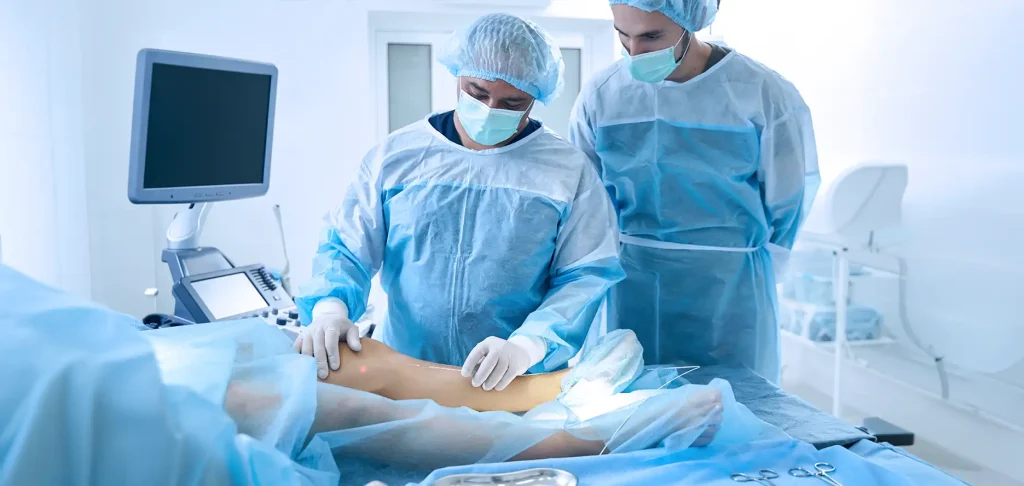
Every choice at Advanced Cardiovascular Center comes from research that works. Results of the UK study fit well with how care is already given here – focused on methods shown to help people feel better. Instead of guessing, treatments like radiofrequency ablation for varicose veins are used because they have strong backing. New glue-based approaches join these tools, adding options that balance success with ease. Comfort matters just as much as results, so only methods tested worldwide make it into practice.
Not every case looks the same at the Advanced Cardiovascular Center. One after another, people get checked with duplex scans plus a hands-on exam. Depending on what they find, answers differ. Some walk away with RFA suggested – solid results, fair healing time. Others? The fix might be VenaSeal treatment for varicose veins, especially when getting back to normal fast matters more.
Looking ahead
Despite advances, some discomfort remains with current laser methods. Newer lasers might reduce this issue over time. Research keeps improving how these treatments are done. For now, data clearly shows radiofrequency works better when less pain after treatment matters most.
People dealing with varicose veins can feel better knowing current options bring real relief without harsh methods, thanks to care facilities like Advanced Cardiovascular Center.