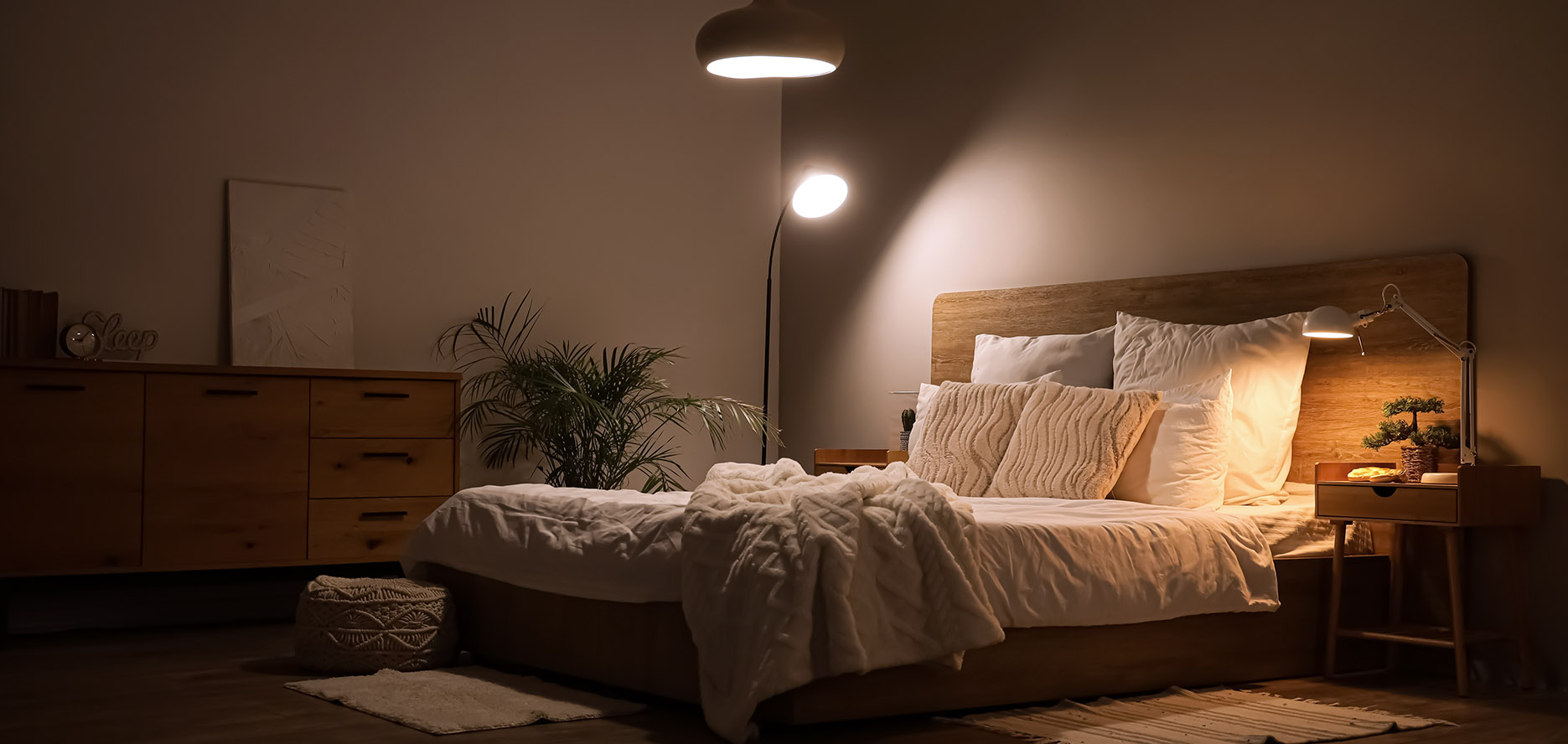
Most of us sleep with some kind of light on. A bedside lamp. A streetlight outside the window. The soft glow from a phone left face up on the table.
It feels harmless. Comforting, even. But new research suggests it may be doing more than lighting the room. It may be putting quiet stress on your heart.
Researchers in Boston looked at how artificial light at night affects the body. What they found was concerning, yet simple to understand. More light at night was linked to more stress in the brain. That stress then showed up as inflammation in the arteries. Over time, this raised the risk of heart disease.
This was not about bright stadium lights. Even modest light exposure made a difference.
What the Researchers Actually Found

The study followed adults who had no heart disease at the start. They used a combined PET and CT scan. This single scan showed both brain activity and inflammation in blood vessels.
Then they compared those results with how much artificial light people were exposed to at night in their neighborhoods.
The pattern was clear. More nighttime light meant more brain stress. More stress meant more inflammation. And more inflammation meant a higher chance of heart problems later.
Over ten years, nearly one in five people in the study developed a serious heart condition. For every increase in nighttime light exposure, heart disease risk went up. This held true even after accounting for noise, income, and other common risk factors.
Why Light Affects the Heart
When your brain experiences stress, it sends warning signs throughout the body. These signals are meant to help in short bursts. But when they stay switched on, they cause trouble.
Artificial light at night confuses the brain. It disrupts the normal day and night rhythm. The brain stays alert when it should be resting. Stress hormones rise. Blood vessels become inflamed.
Over time, this can harden arteries and raise the risk of heart attack or stroke. Doctors have long warned about air pollution and noise. Light is now joining that list.
If you are seeing a Best Cardiologist in Goodyear, this is the kind of quiet lifestyle factor they may start asking about more often. Not just what you eat or how much you exercise, but how dark your nights really are.
Cities, Homes, and Small Changes
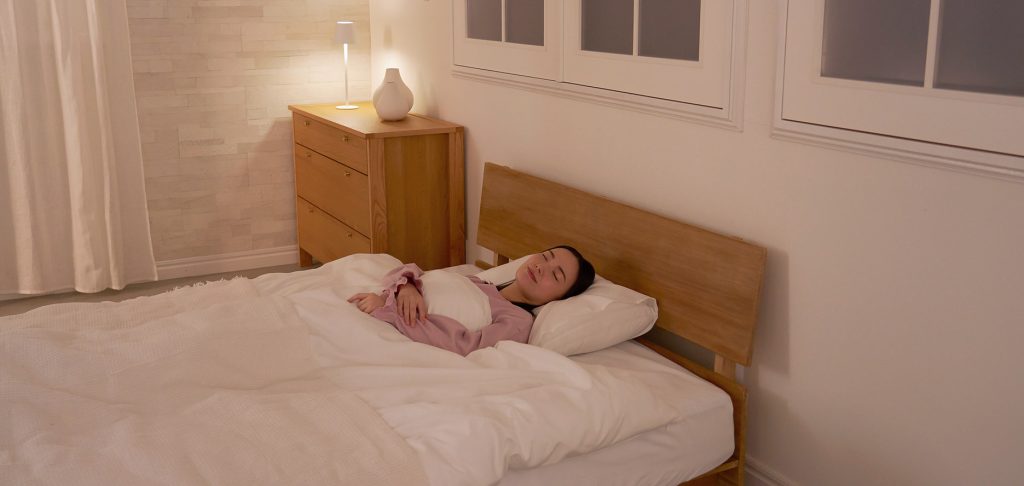
The good news is that light exposure is something we can change. Cities can reduce unnecessary outdoor lighting. Streetlights can be shielded. Motion sensors can replace lights that stay on all night.
At home, the steps are even simpler.
- Turn off lights you do not need.
- Use blackout curtains if streetlights shine into your room.
- Avoid screens before bed.
- Keep the bedroom as dark as possible.
These are small habits. But they add up.
An interventional cardiology specialist might spend hours fixing blocked arteries. Yet something as basic as darkness at night may help prevent those blockages from forming in the first place.
What This Means for Heart Health Going Forward

This study does not prove cause and effect. It was observational. It focused on one hospital system. The group was not very diverse. Still, the findings matter.
They show a clear link between nighttime light, brain stress, and artery inflammation. They also open the door to prevention that does not involve pills or procedures.
Heart health is not only about what happens during the day. It is also about how well the body rests at night.
If you want to protect your heart, think beyond diet and exercise. Think about your sleep environment. Think about the glow in your bedroom.
The heart works hard for you every day. The least we can do is let it rest in the dark.
And if you ever need guidance, whether from a Best Cardiologist in Goodyear or an interventional cardiology specialist, remember that heart care often starts with simple choices made at home.
You can also get in touch with heart specialists from Advanced Cardiovascular Center to know more about the effect of bedside lamp on heart health.