Varicose veins are large twisted veins that become visible on the legs. Nearly 23-24% of adults experience varicose vein which affects more women than men. If left untreated, they may cause pain, swelling, changes in skin, and serious complications.
The good news is that varicose veins can be treated safely and effectively with minimally invasive treatment!
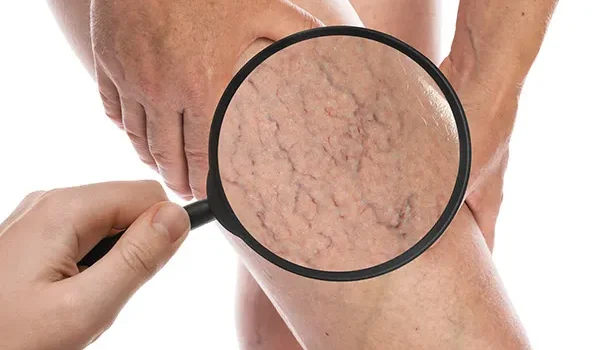
What are Varicose Veins?
Varicose veins appear bluish, purple, or dark green and may look twisted or bulging under the skin due to poor blood flow.
Healthy veins have these little one-way valves that keep blood moving toward your heart. When those valves get weak or stop working right, blood slips backward and starts to pool. That extra pressure stretches the veins, and before you know it, they turn varicose.
Varicose veins differ from spider veins and reticular veins in appearance:
- Spider veins are thin, red or blue lines that look a bit like spider webs, right near the surface.
- Reticular veins are flatter, bluish veins hiding just beneath the skin.
Most of the time, varicose veins affect your legs. The reason is that they work against gravity in order to transport blood back to the heart.
Why Do Varicose Veins Happen?
Varicose veins pop up when your veins can’t move blood the way they should. Lots of things can raise your odds:
What puts you at risk?
- Weak or faulty vein valves
- Family history of vein problems
- Standing or sitting for long stretches
- Pregnancy
- Being overweight
- Getting older
- Hormone shifts
- Not moving around much
- Jobs that demand standing
All these things raise the pressure inside your leg veins. Over time, that pressure makes your veins swell and the valves inside them stop working right.
What Do Varicose Veins Feel Like?
The symptoms can sneak up on you. Sometimes it’s just a mild ache; other times its real pain or even changes in your skin. Most people notice things getting worse slowly.
Common signs to watch for:
- Veins that look swollen, twisted, or stick out
- A heavy or achy feeling in your legs
- Pain that becomes worse while standing up
- Swollen feet or ankles
- Burning, throbbing, or itching near your veins
- Cramps at night or restless legs
- Skin around your ankles turning dark
- Veins that get hard and thick as time goes by
If you just ignore these symptoms, they usually won’t go away. They get worse, and you can end up with bigger problems.
Are Varicose Veins Serious?
They aren’t just something that looks bad. If you don’t take care of them, varicose veins can turn into real health issues.
What can happen if you leave them untreated?
- Chronic venous insufficiency (when your veins just can’t keep up)
- Skin changes like dark patches or eczema
- Sores on your legs that won’t heal
- Bleeding from veins close to the surface
- Inflamed or clotted veins (thrombophlebitis)
Getting checked out and treated early helps you avoid these problems and makes life a lot more comfortable. Else, there could be a chance of limb amputation.

When Should You See a Doctor?
Go and see a vascular specialist if you notice:
- Leg pain or swelling that won’t quit
- Sudden bleeding from a vein
- Thickening of skin
- Skin around your ankles getting dark or hard
- Sores or wounds on your legs that aren’t healing
- Red, warm, or tender spots along a vein
- Your veins are getting worse fast
Catching these problems early means easier treatment and better results. Don’t wait, your legs will thank you.
Diagnosis of Varicose Veins
First, your doctor checks out your legs. They look for veins that stick out, swelling, maybe even sores.
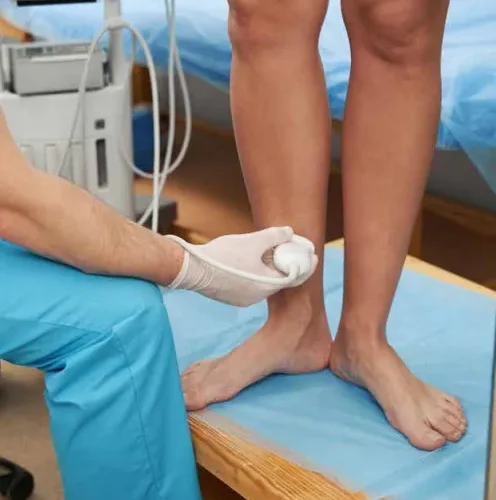
If the condition is severe, doctors will recommend a Doppler ultrasound. This test is easy with no pain, no needles. The specialist just glides a probe over your skin to see how blood moves and which veins aren’t pulling their weight.
If your case is a bit trickier, your doctor might order more detailed scans like MR venography or intravenous sonography. All of this helps us figure out exactly what’s going on, so we can build a treatment plan just for you.
Treatment Options for Varicose Veins
What you need really depends on how bad your veins are. Here’s what you might expect:
Compression
stockings
If your case is mild, your doctor might start you off with these. Your legs will remain squeezed in order to improve circulation and get rid of symptoms. They won’t really cure the veins or stop new ones from forming, but they can help you feel better.
Endothermal
ablation
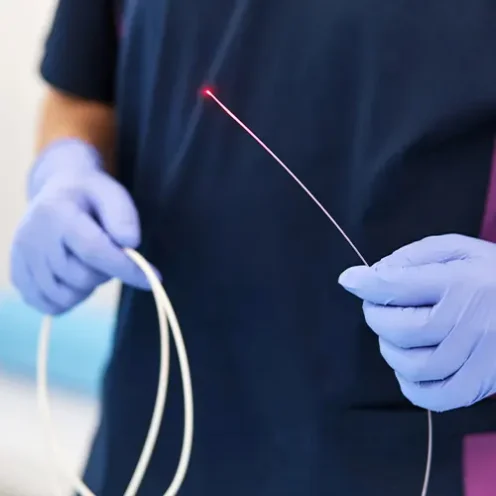
If the veins are more stubborn, doctors recommend this procedure. After numbing your leg, they slide a small probe into the affected vein and use heat—usually from a laser (EVLA) or radiofrequency (RFA)—to seal it shut. It works well and you recover fast.
Ultrasound-guided
sclerotherapy
The specialist uses ultrasound to inject a chemical through a tiny needle into the problem vein. This closes off the vein for good.
Ligation and
stripping
In some cases, you’ll need a small incision so the doctor can tie off the faulty vein and remove it. You’re numbed up for this one too.
Minimally Invasive Procedures We Offer
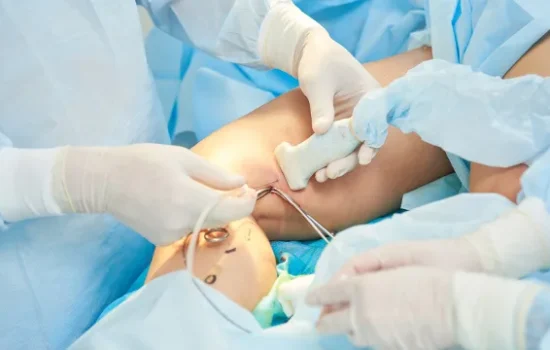
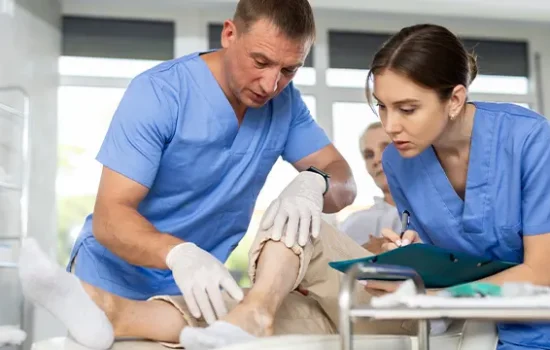
Once our vein specialist assesses your varicose condition, they will suggest an appropriate treatment plan that works for you.
After Treatment Care
Most people bounce back quickly after these treatments. You can usually walk the same day, and your doctor might recommend wearing compression stockings for a bit. You might notice some mild bruising or discomfort, but it fades fast, and you’re back to your routine before you know it. Follow-up ultrasounds help make sure everything’s healing right. Your doctor will give you some pointers for recovery, tailored to you.
Preventive Measures for Varicose Veins
Want to prevent varicose veins or stop them from getting worse? Try these habits:
- Don’t sit or stand in one spot for too long; move around whenever you can.
- Keep your weight in check.
- Exercise regularly, especially walking.
- Put your feet up when you get a chance.
- Opt for compression stockings
- Drink plenty of water.
Frequently Asked Questions ?
Still have questions? Here are some answers:
Is treatment painful?
Not really. Most modern treatments use local anesthesia and are pretty comfortable.
Is laser treatment permanent?
The treated veins won’t come back, but you can get new ones if you don’t manage the risk factors.
How long does it take?
Most procedures take about 30 to 60 minutes.
Should I stay in the hospital?
Nope, these are usually daycare procedures.
Will insurance cover it?
Based on your symptoms and your treatment program, our team can help you figure it out.
Why Pick Advanced Cardiovascular Center?
Simple! You get experts who know what they’re doing, top-notch technology, and care that actually feel personal. We move fast, too. Most treatments are quick, safe, and get you back to your usual routine before you know it.
Don’t ignore leg pain, swelling, or visible veins. The sooner you act, the easier it is to treat and the better you’ll feel.
Want to get rid of varicose veins? Schedule an appointment today!