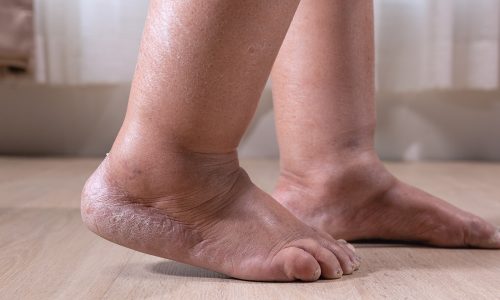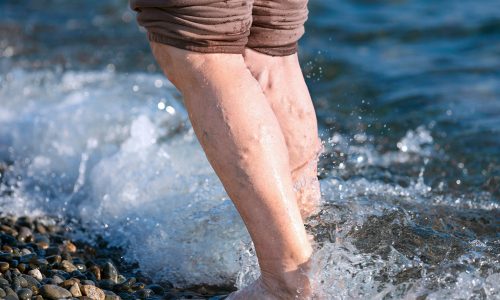
Varicose veins are prevalent in more individuals than you might think. Around one in four adults deal with symptoms—aching legs, heaviness, swelling, throbbing, numbness, cramps. A lot of people just brush it off at first, but if you leave vein disease alone, it tends to get worse. Sometimes it leads to bigger health problems down the road.
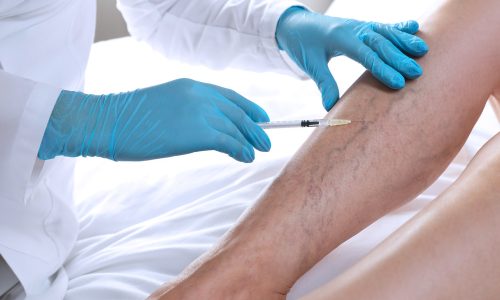
The good news? These days, you don’t have to face surgery right away. Treatments like Radiofrequency Ablation (RFA) are minimally invasive and work well for most people. RFA basically closes up the bad veins and directs your blood through the healthy ones instead.
If you’re thinking about radiofrequency ablation for your varicose veins, you probably have questions. Here are six questions patients ask most often:
1. Why treat varicose veins with RFA?
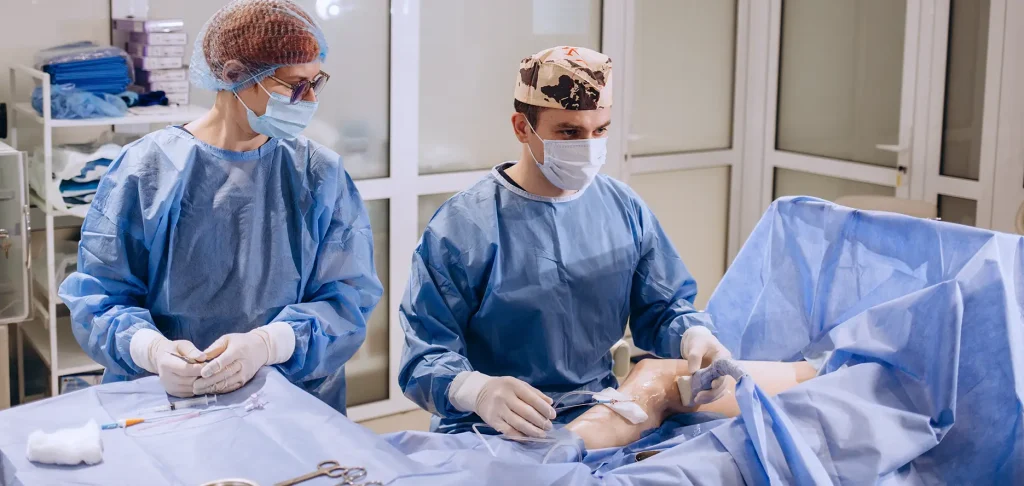
Varicose veins happen when the little valves inside your veins stop working right. Blood starts to flow backward and pools up, making veins bulge out. Those valves can’t be fixed. So, the best way forward is to close off the damaged vein so your blood finds a better route.
In the past, doctors would remove veins with a surgery called vein stripping. Now, RFA offers a much easier approach. Instead of removing the vein, it uses heat to seal it off. Over time, your body just absorbs the closed vein and moves on.
2. How is Radiofrequency Ablation treatment different from vein stripping?
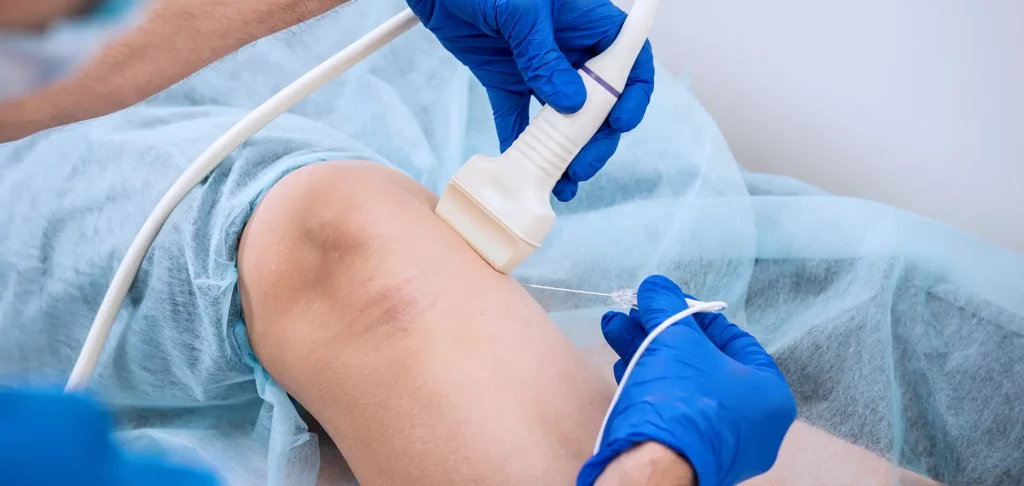
Vein stripping is old-school. Surgeons make a cut in your groin, tie off the vein, and pull it out with a special tool. You need to be under anesthesia, and the whole thing happens in an operating room.
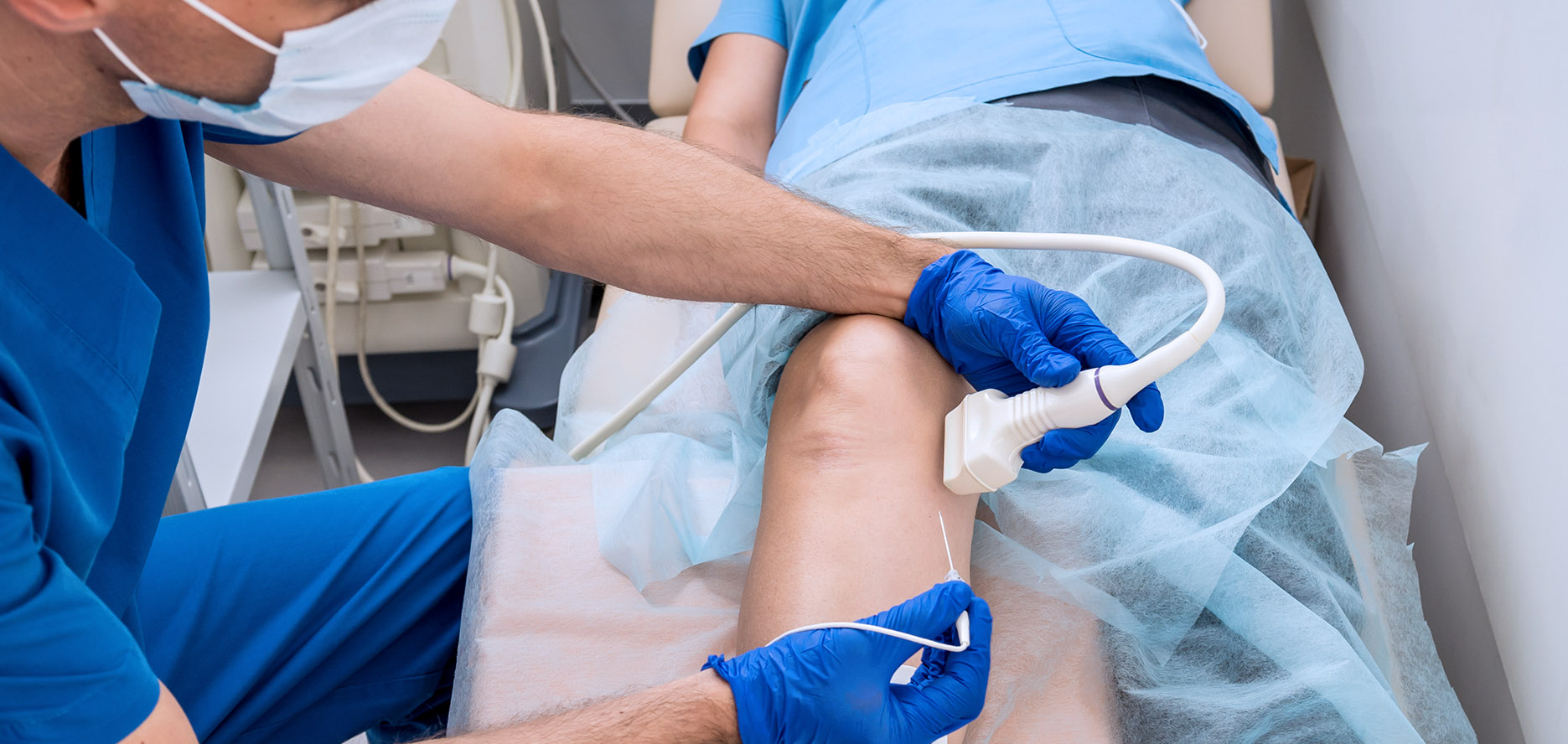
RFA isn’t nearly as intense as it sounds. The doctor just makes a small cut, slides a thin catheter under your knee, and then uses radiofrequency energy to warm up the vein wall. The heat makes the vein collapse and seal itself, all without any big incisions—just a quick poke, really. Most people bounce back faster and feel better sooner compared to the old-school surgery.
3. What is the difference between RFA and laser ablation?
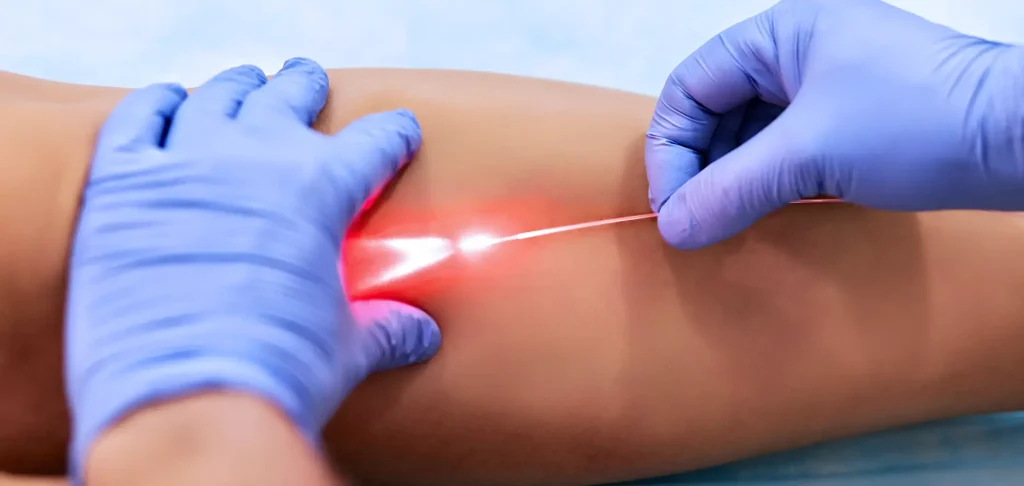
RFA and laser ablation apply heat to the damaged veins to treat them, but they are different technologies. During RFA, doctors apply radiofrequency energy to gradually heat the walls of the vein, closing the malfunctioning vein in a gradual, controlled manner.
Laser ablation, on the other hand, hits the blood inside the vein with a sudden burst of laser energy. The temperature skyrockets—sometimes past 700°C—so the blood boils, steam forms, and the vein collapses fast. Both treatments get the job done, but RFA tends to be easier on you, both during and after the procedure. That’s why so many people, and honestly, even doctors too, lean towards RFA.
4. Is RFA right for everyone?
Not everyone is a perfect fit, but most people with varicose veins can get RFA. Your doctor will check things out with an ultrasound first, just to see what’s really going on inside your veins. Mostly, the varicose vein treatment like RFA is often a solid, dependable choice.
5. What’s recovery like after RFA?

Most people bounce back pretty quickly after RFA. You’re up and moving the same day and can usually get back to your normal routine within a day or two. There might be some bruising or mild soreness, but nothing major. And best of all, those heavy, aching symptoms start to ease up once the blood starts flowing the right way again.
6. Does Age Affect Eligibility?
Your age doesn’t rule you out for treatment. People of all ages—young adults, folks in their sixties, and everyone in between—have had success with radiofrequency ablation for varicose veins. What really matters? The state of your veins. Doctors look at your vein health, not just your birth year, to figure out if radiofrequency ablation makes sense for you.
Final Thoughts
Varicose veins aren’t just about looks. They can ache, swell, and honestly, if you ignore them, things can get worse. The good news? Today’s varicose vein treatments like RFA are minimally invasive and actually work—you don’t have to just put up with the pain or embarrassment anymore.
If your legs hurt, swell up, or those veins are starting to bulge, do yourself a favor and see a vein specialist. They will check things out and let you know if radiofrequency ablation can get your blood flowing right again, so you feel better and get back to living your life.To learn more about diagnosis and treatment options, visit Advanced Cardiovascular Center.